Southwest Water Reclamation Facility

Primary Treatment
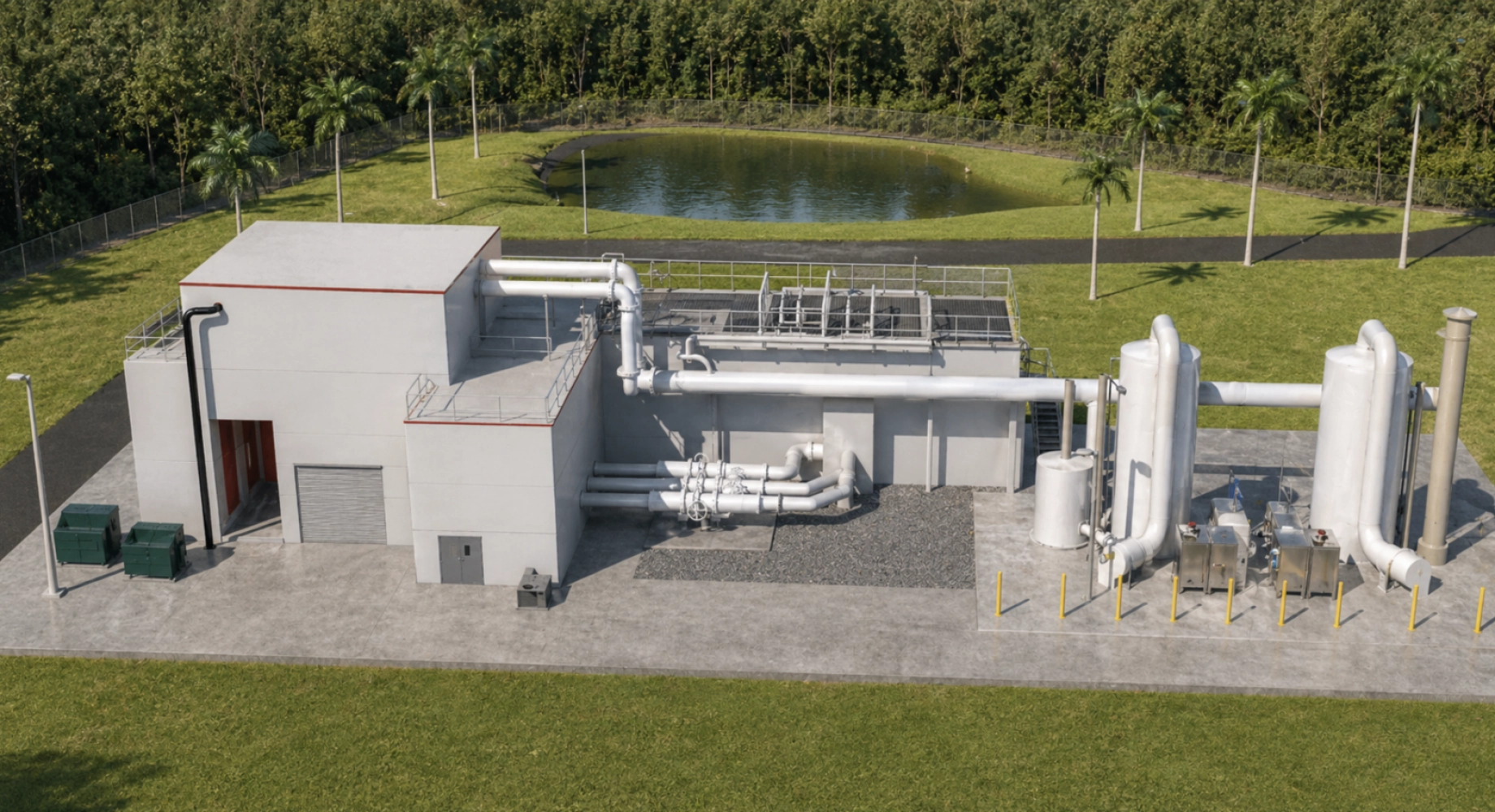
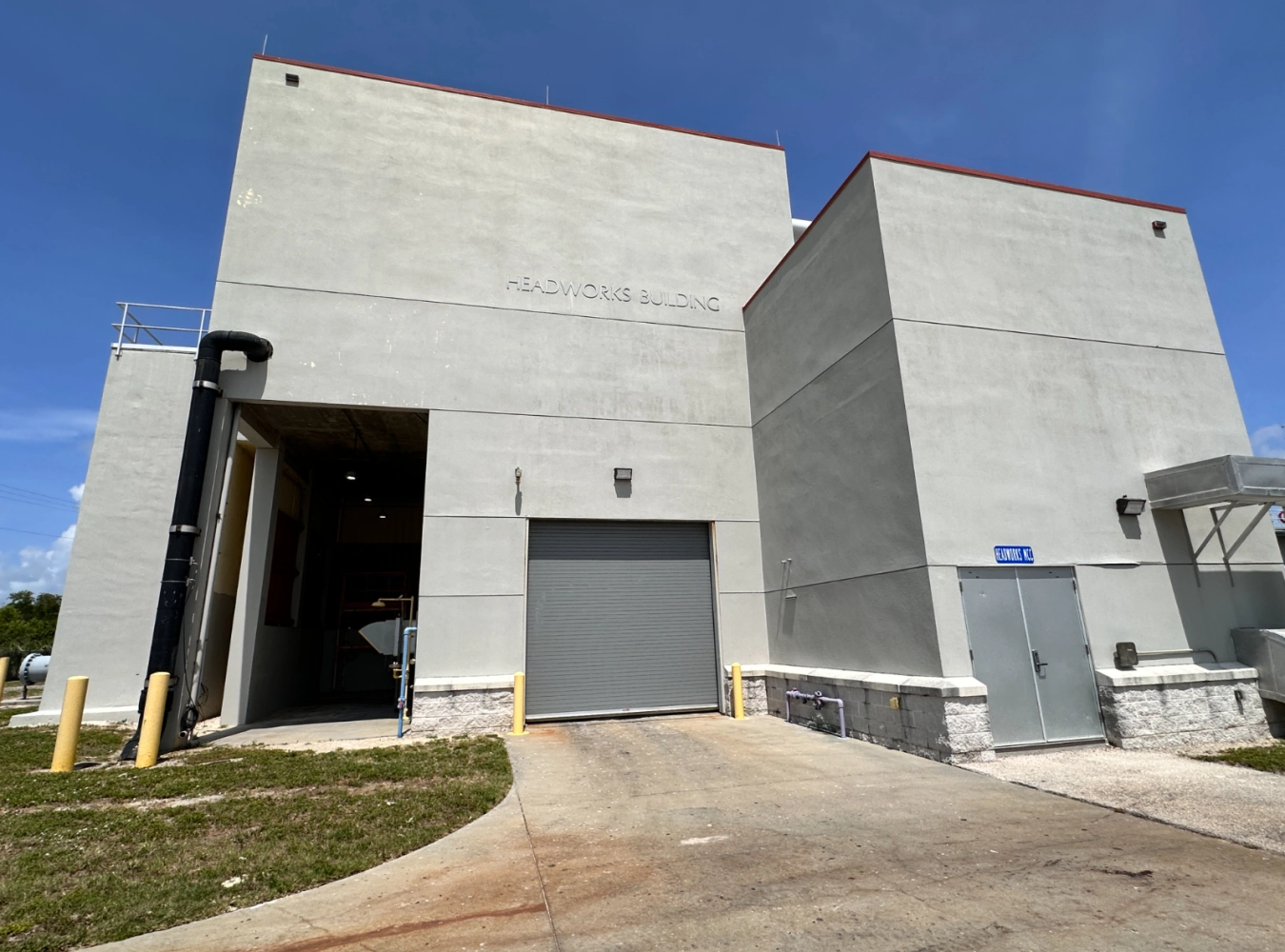
The Headworks is the first stage of the wastewater treatment process and serves as the facility's primary treatment area, where raw wastewater enters the plant for initial screening, debris removal, grit separation, odor control, and flow monitoring. This critical process helps protect downstream equipment, stabilize incoming flows, remove damaging materials, and prepare the wastewater for advanced biological treatment while supporting efficient and reliable plant operations.
Secondary Treatment
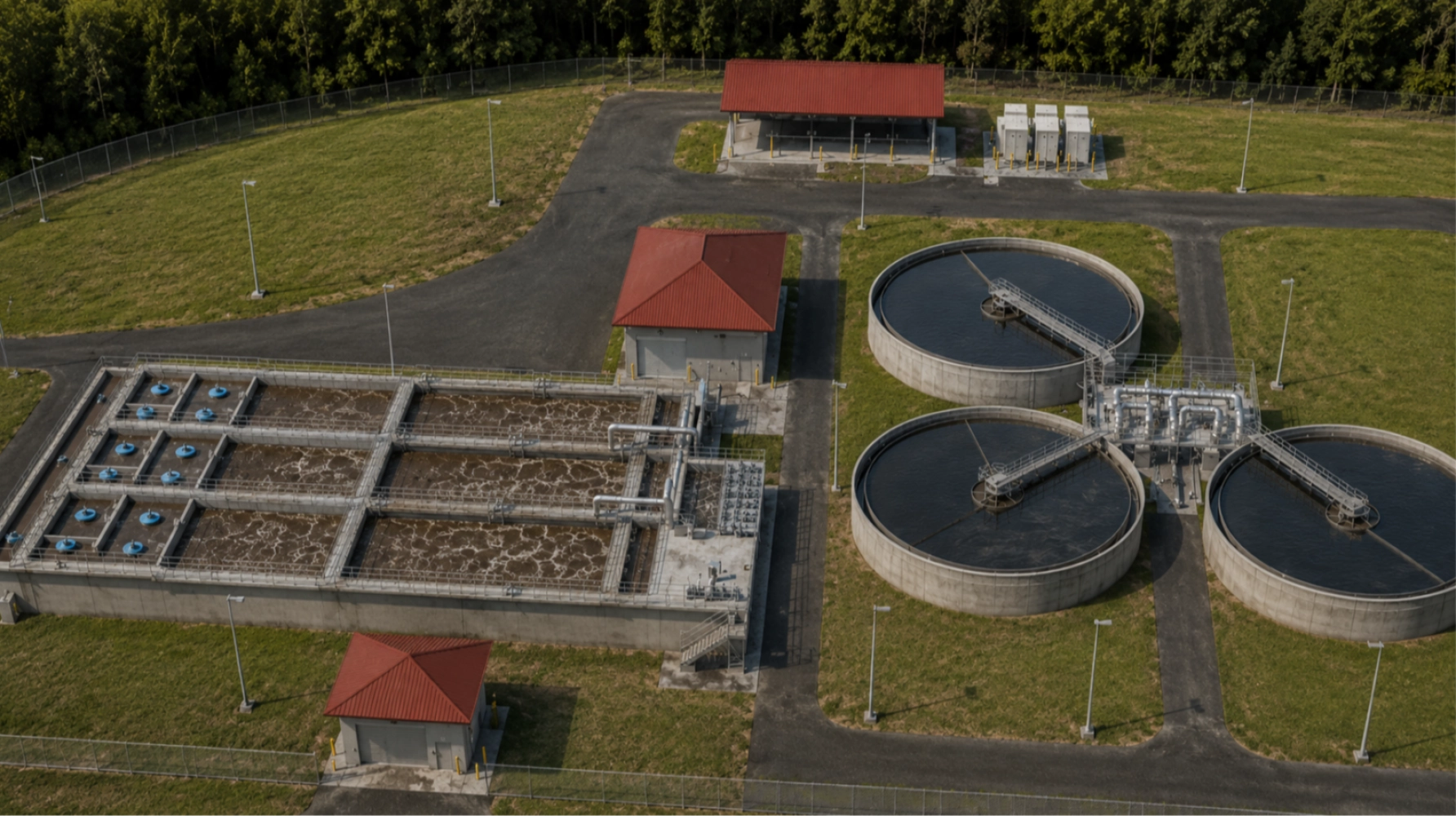
Secondary Treatment is the biological stage of the wastewater treatment process where microorganisms break down and remove dissolved organic matter and nutrients from the wastewater. Within the aeration basins, oxygen is introduced to support microbial activity before the water flows into secondary clarifiers, where gravity separates the biological solids from the treated water. A portion of the settled microorganisms is returned back into the treatment process to maintain biological stability,
Tertiary Treatment
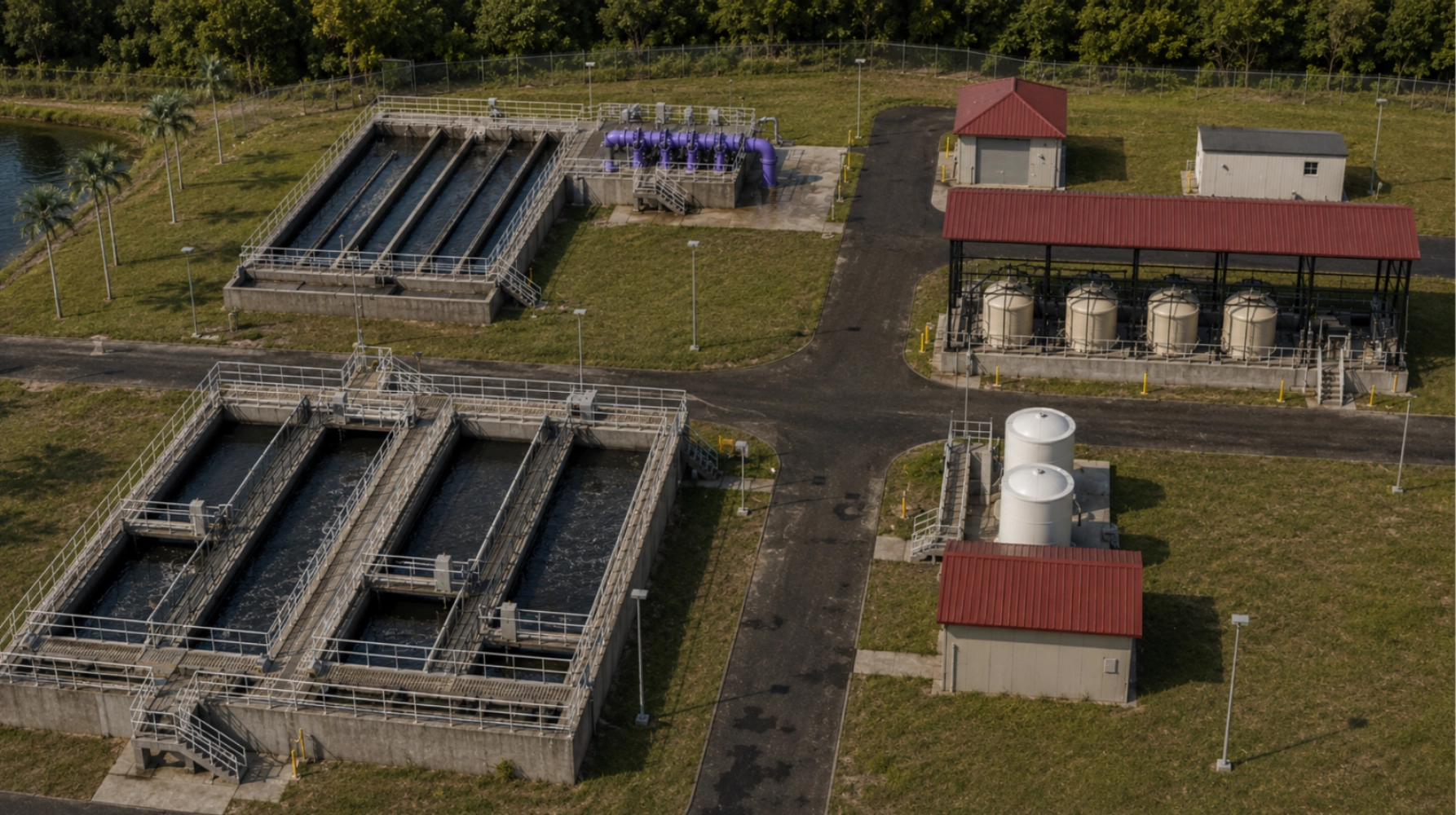
Tertiary Treatment is the final stage of the wastewater treatment process where the treated water undergoes advanced filtration and disinfection before reuse or discharge. During this process, fine suspended solids are removed through filtration systems, and sodium hypochlorite is added within the chlorine contact basins to destroy harmful microorganisms and ensure the water meets strict regulatory and reclaimed water quality standards.
Distribution
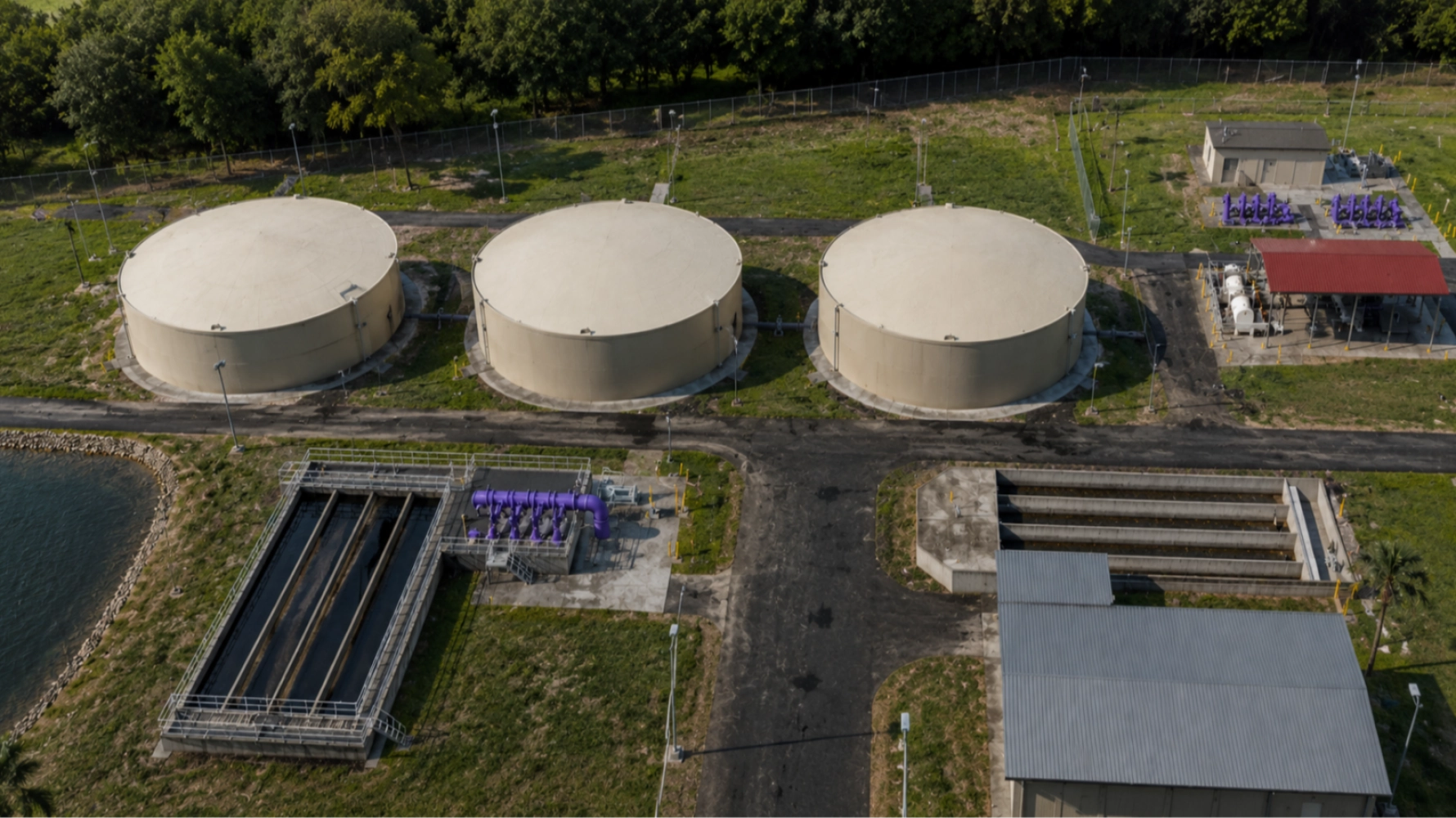
The Distribution System manages the storage, pumping, monitoring, and delivery of reclaimed water after the treatment process is complete. High-quality treated water is stored in large tanks and distributed through a controlled pumping network for approved non-potable reuse applications such as irrigation. Automated controls, monitoring systems, and safety protections continuously verify water quality, regulate system pressure, and ensure only compliant reclaimed water enters the distribution ne
Biosolids
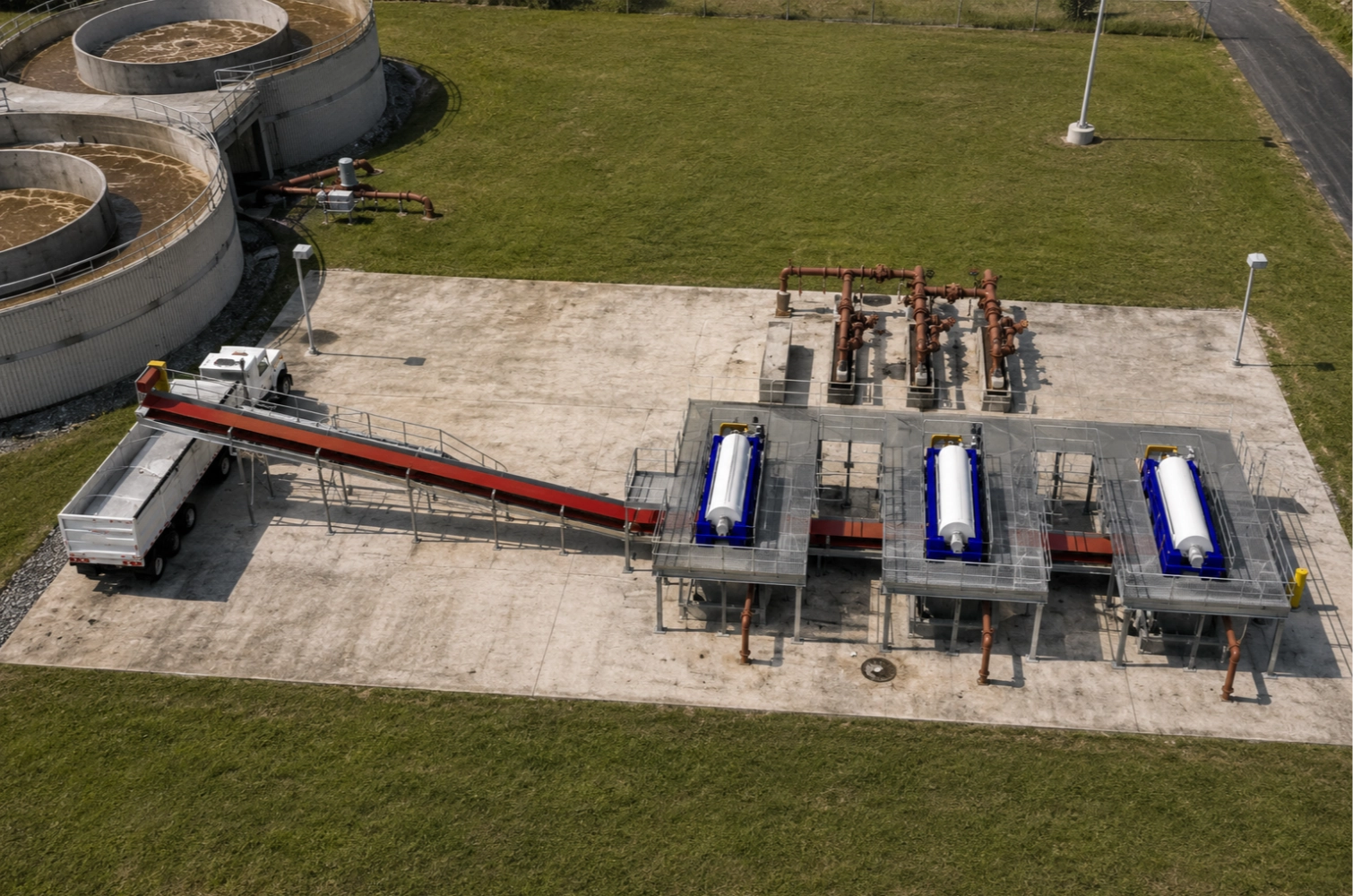
A biosolids plant is the dedicated solids-handling facility within a wastewater treatment plant. It stabilizes leftover organic sludge, destroys harmful pathogens, and removes odors, converting raw sewage waste into a nutrient-rich byproduct that can be safely used as agricultural fertilizer or a soil amendment.
Mechanical Screens
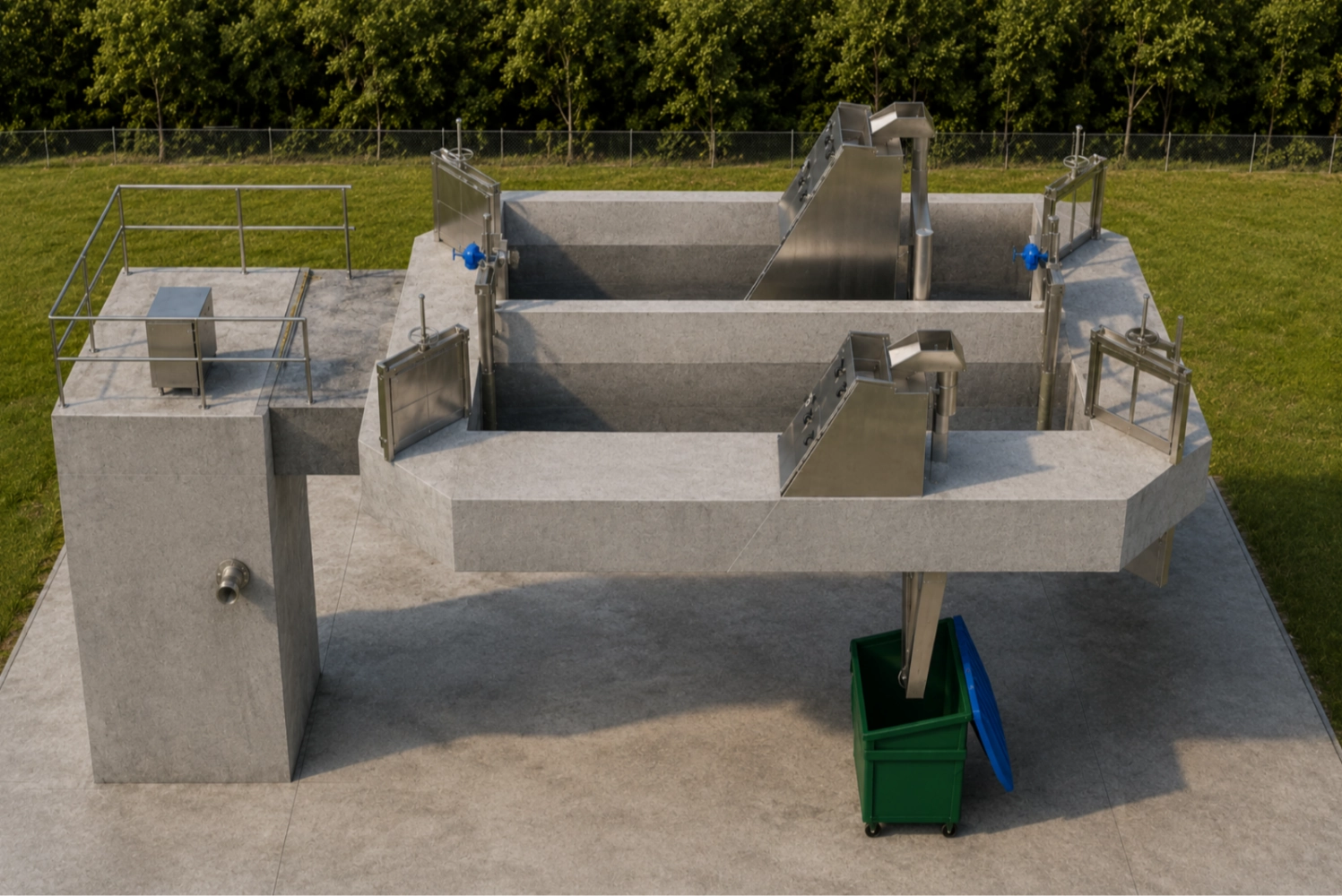
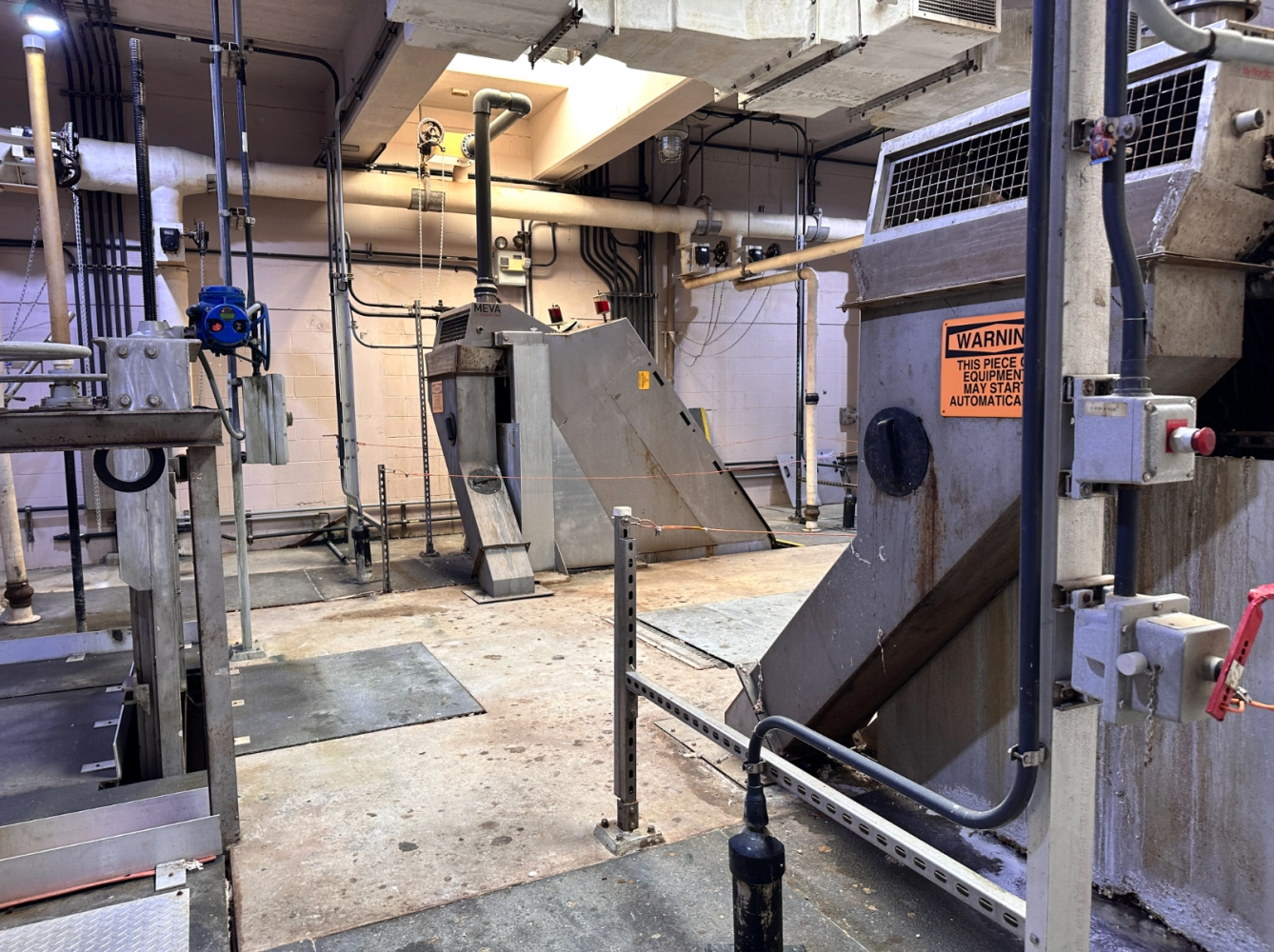
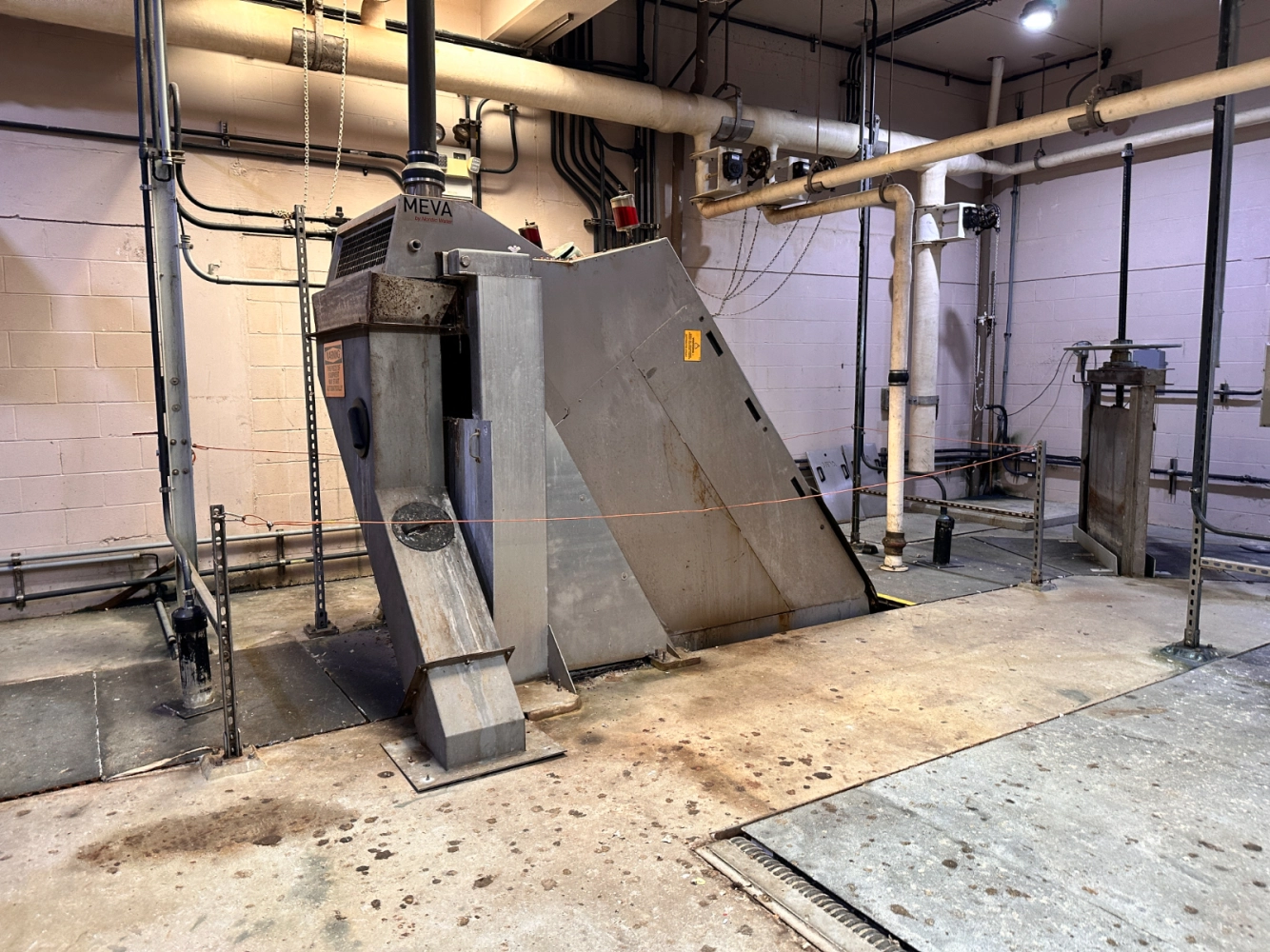
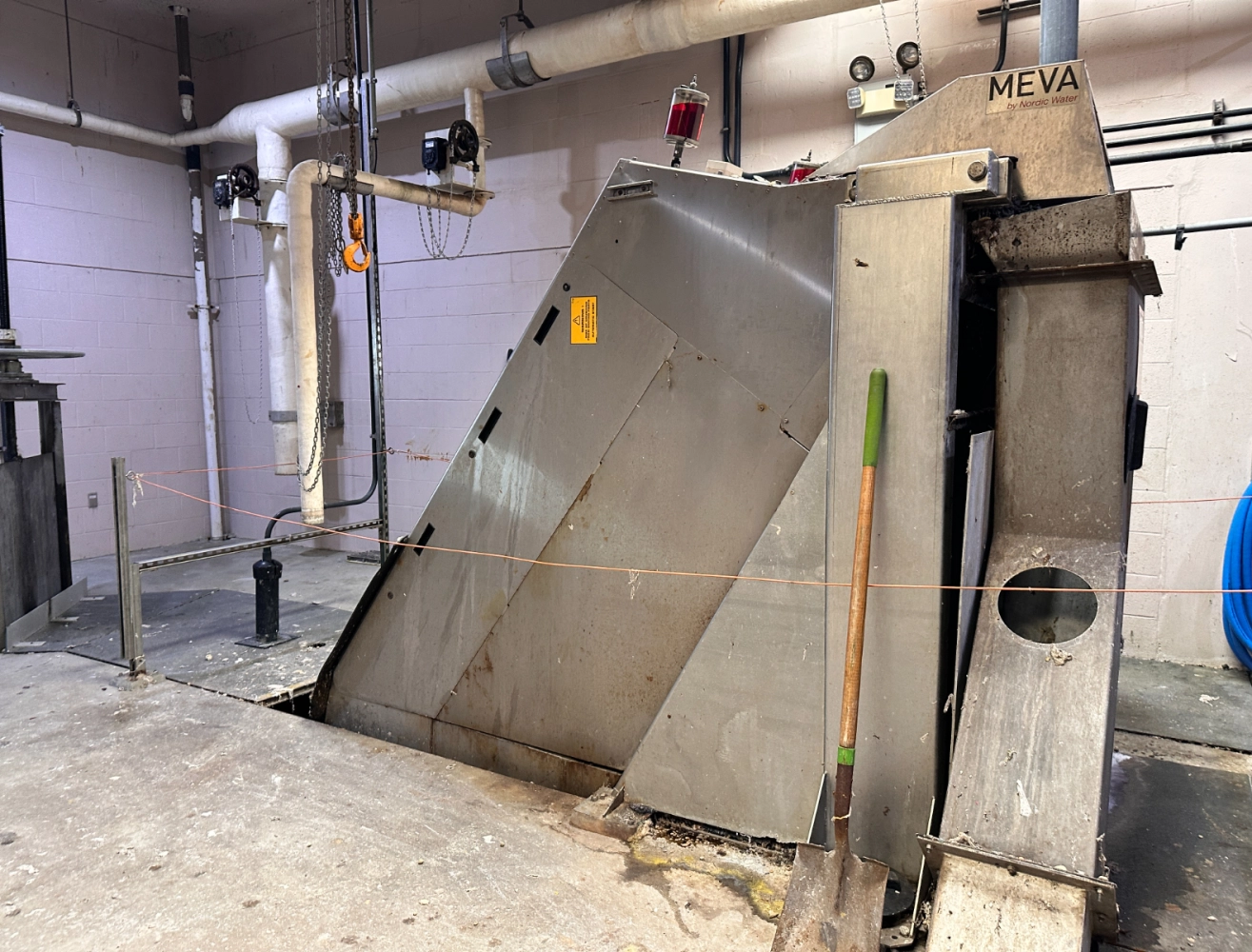
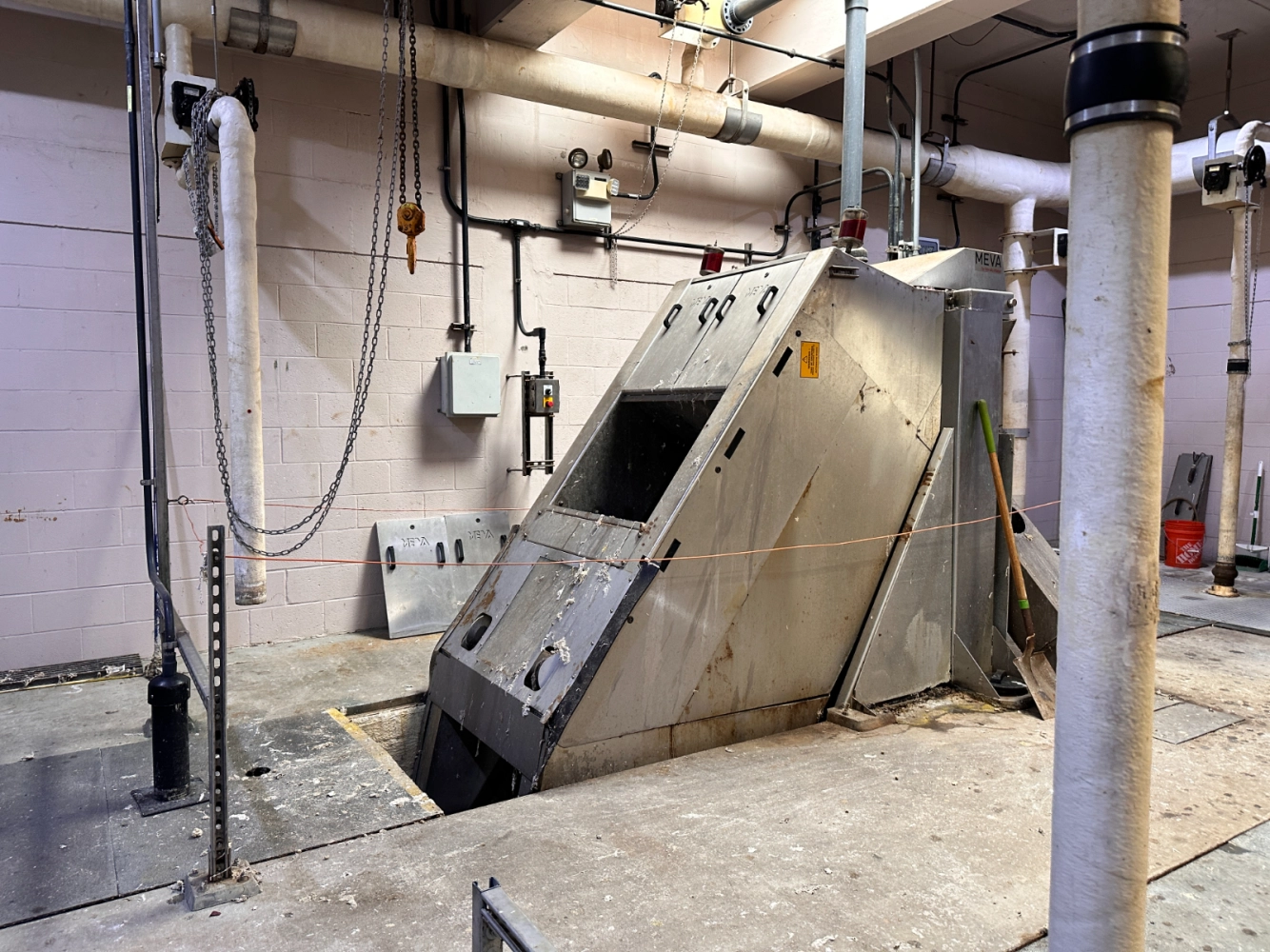
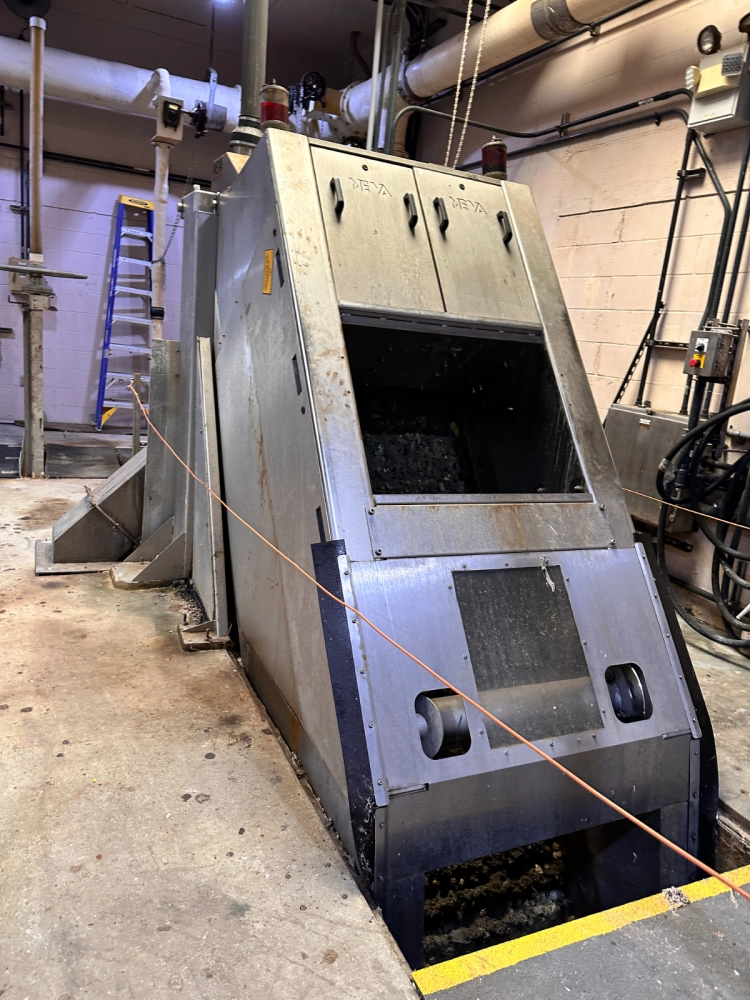
Mechanical step screens remove large debris and solid materials from incoming wastewater before they can enter downstream treatment systems. Materials such as wipes, plastics, rags, and paper products are captured on the screen surface and lifted out of the flow using a motorized stepping mechanism, helping protect pumps, piping, and treatment equipment from clogging, damage, and excessive mechanical wear.
Grit Removal
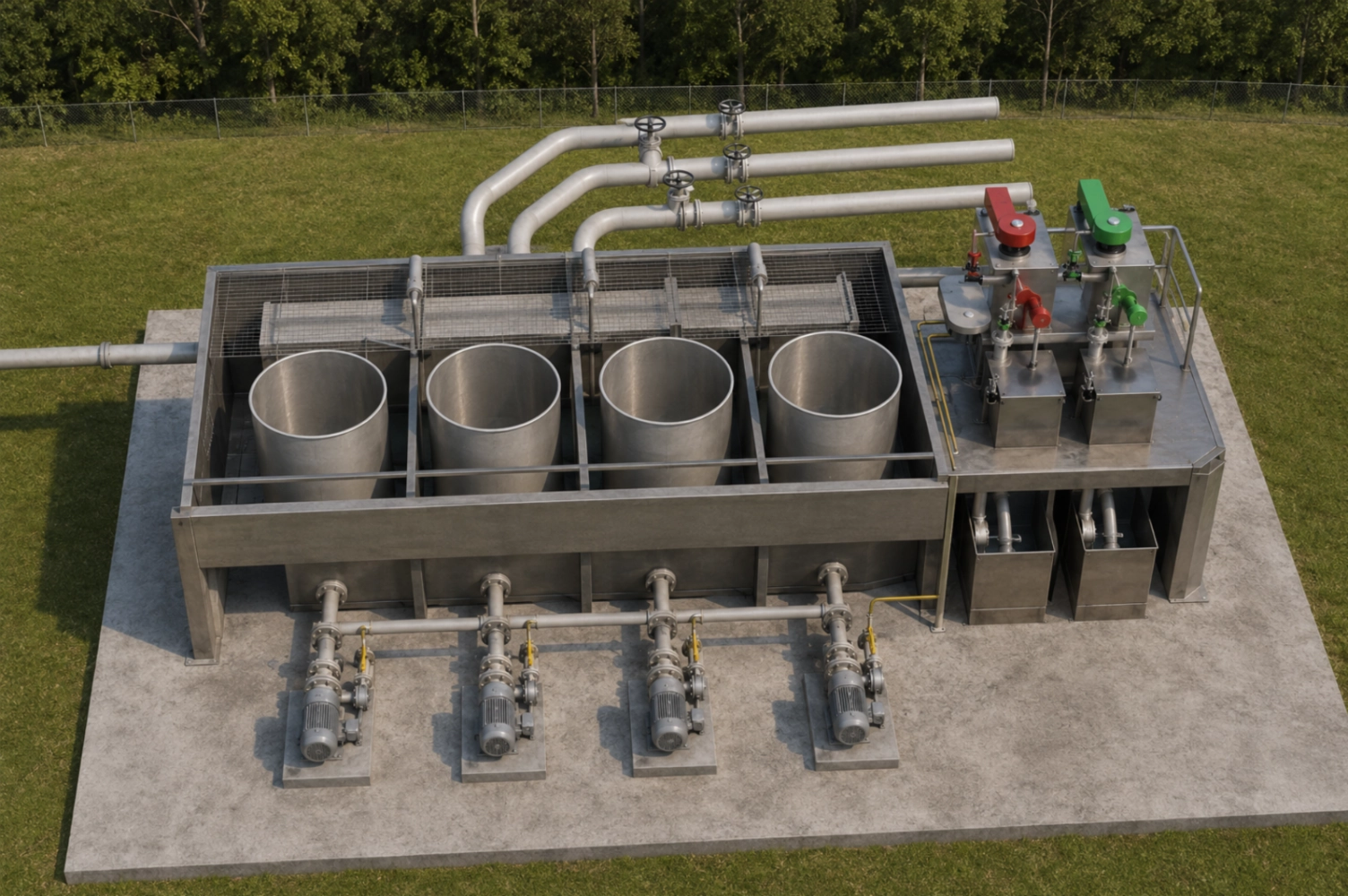
The grit removal system removes heavy inorganic materials such as sand, gravel, coffee grounds, and eggshells from the incoming wastewater stream before they can damage downstream equipment. By slowing the flow within controlled chambers, heavier particles settle to the bottom while lighter organic material continues through treatment, helping reduce equipment wear, prevent sediment buildup, and maintain overall system efficiency.
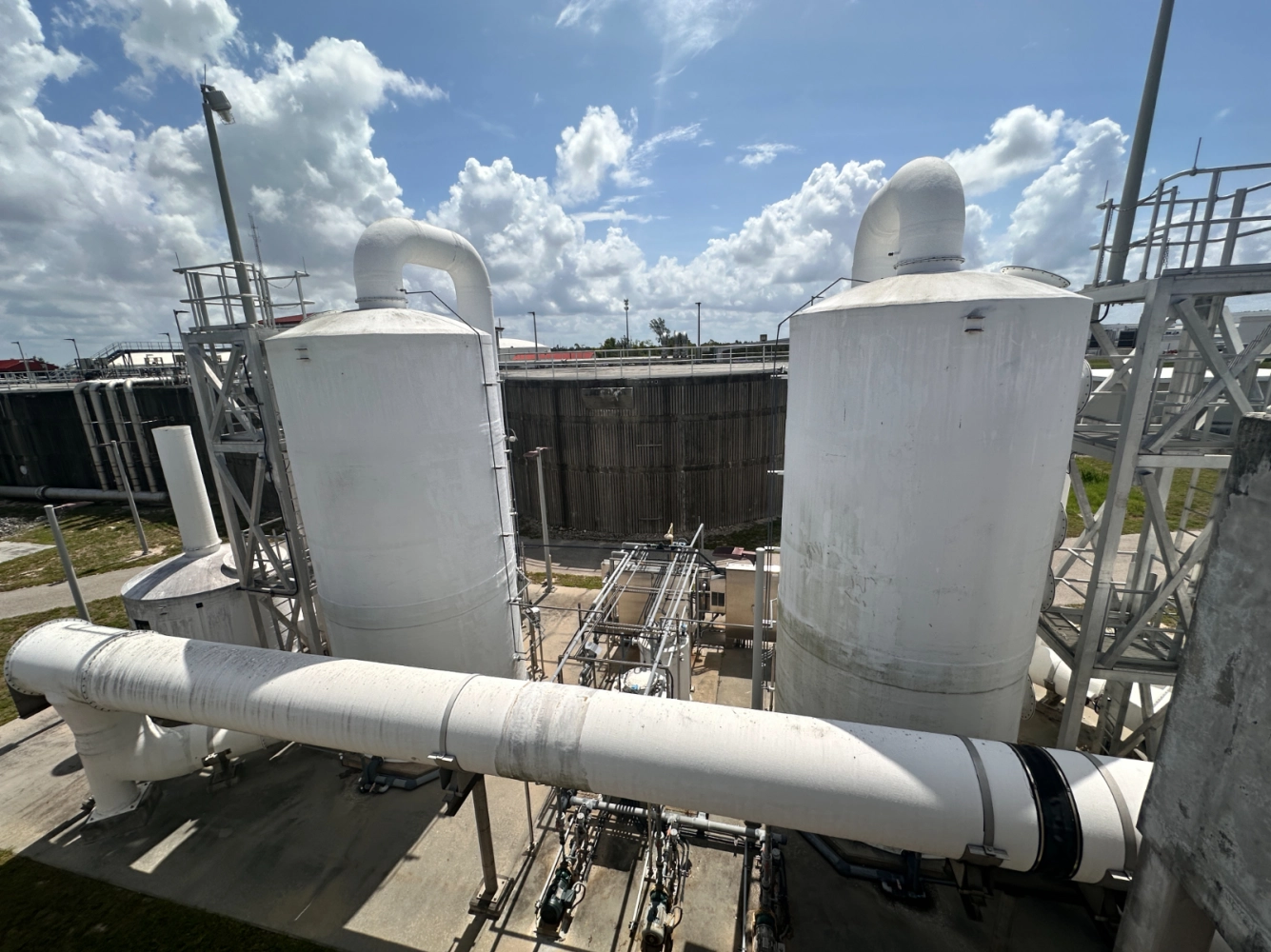
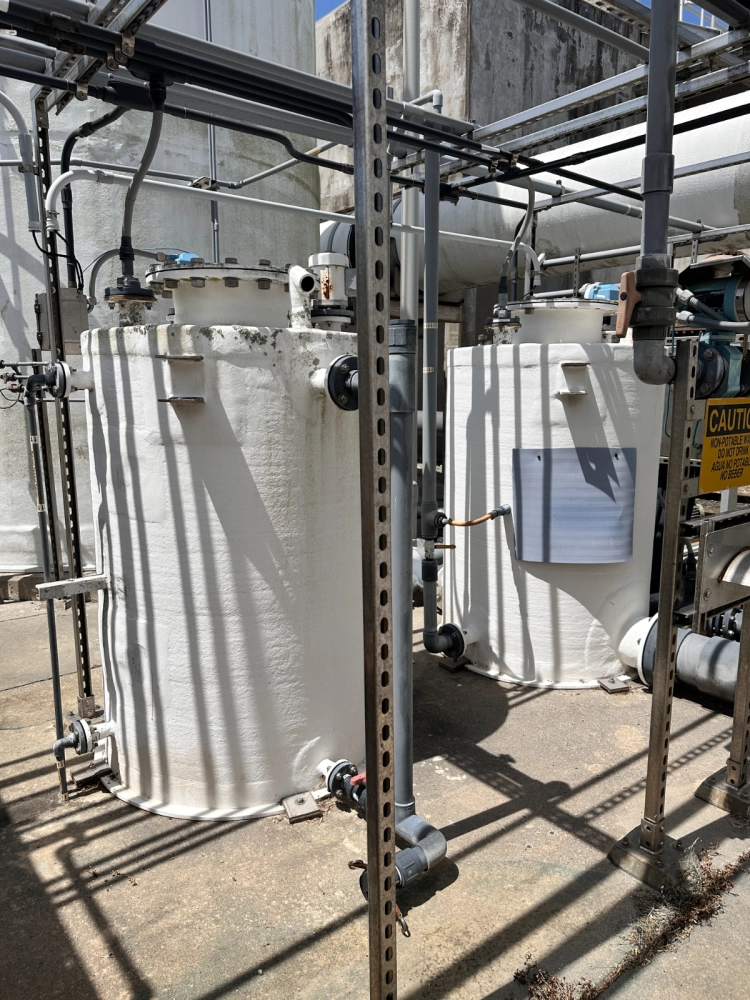
Odor Control System
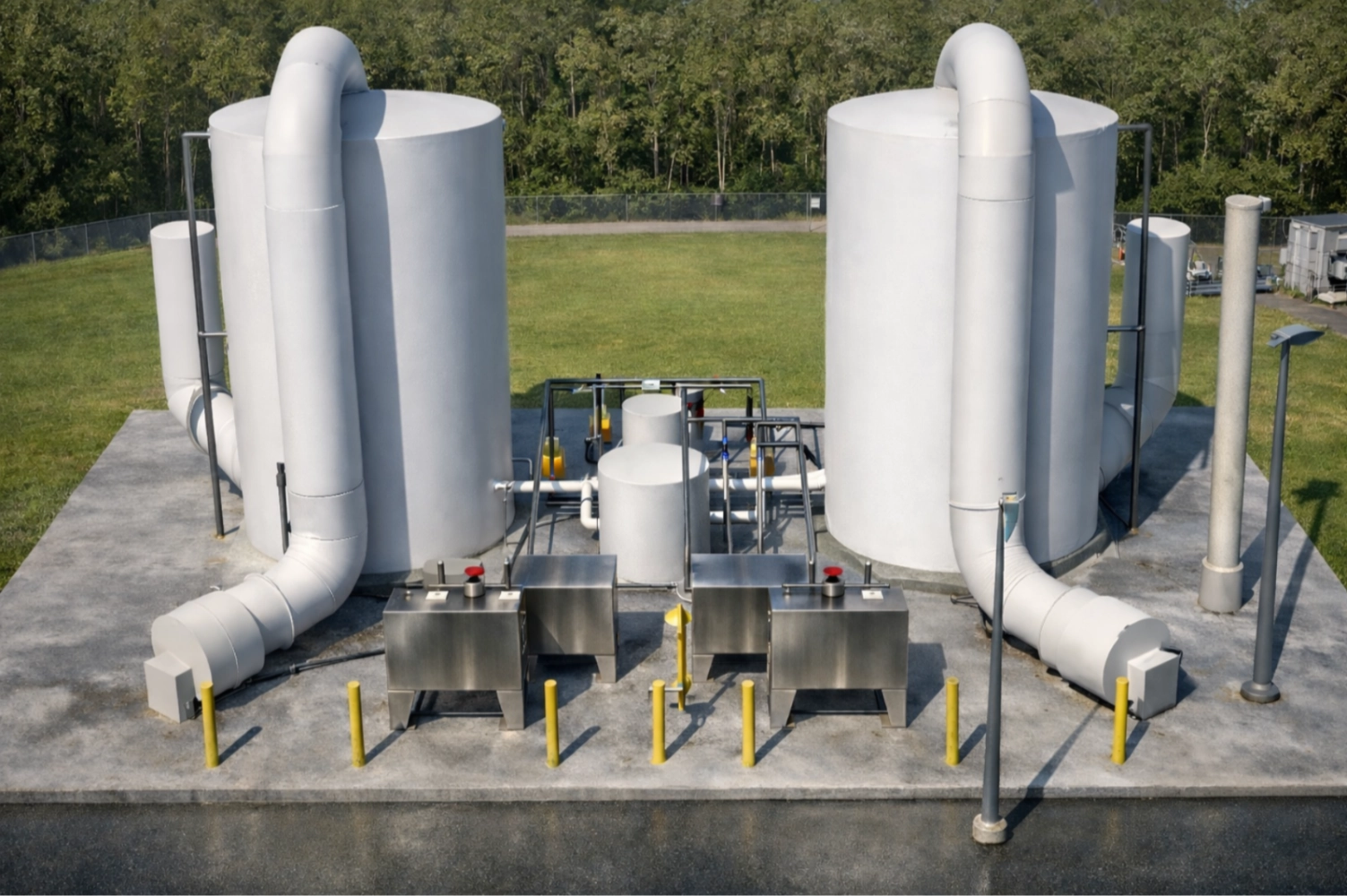
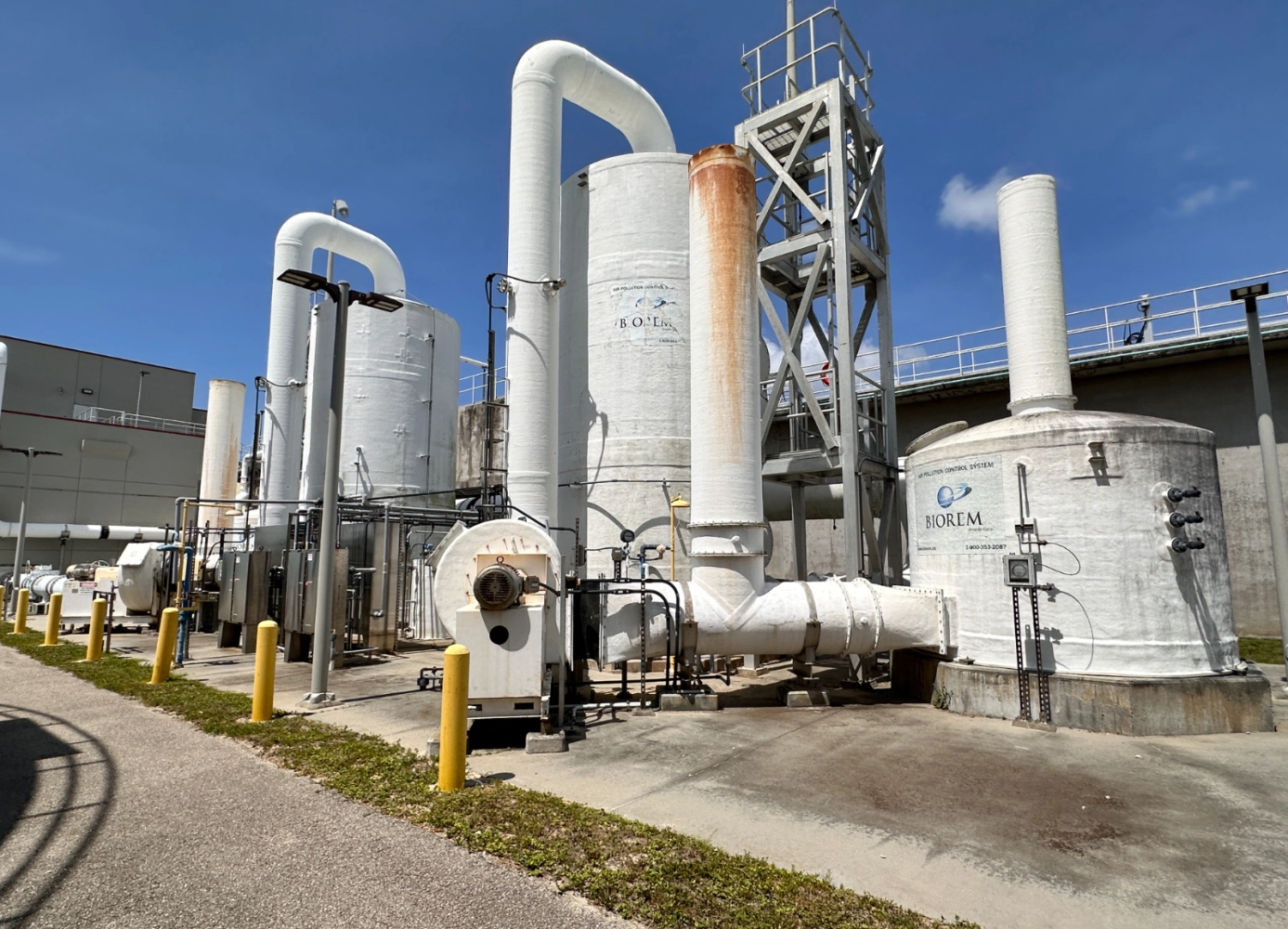
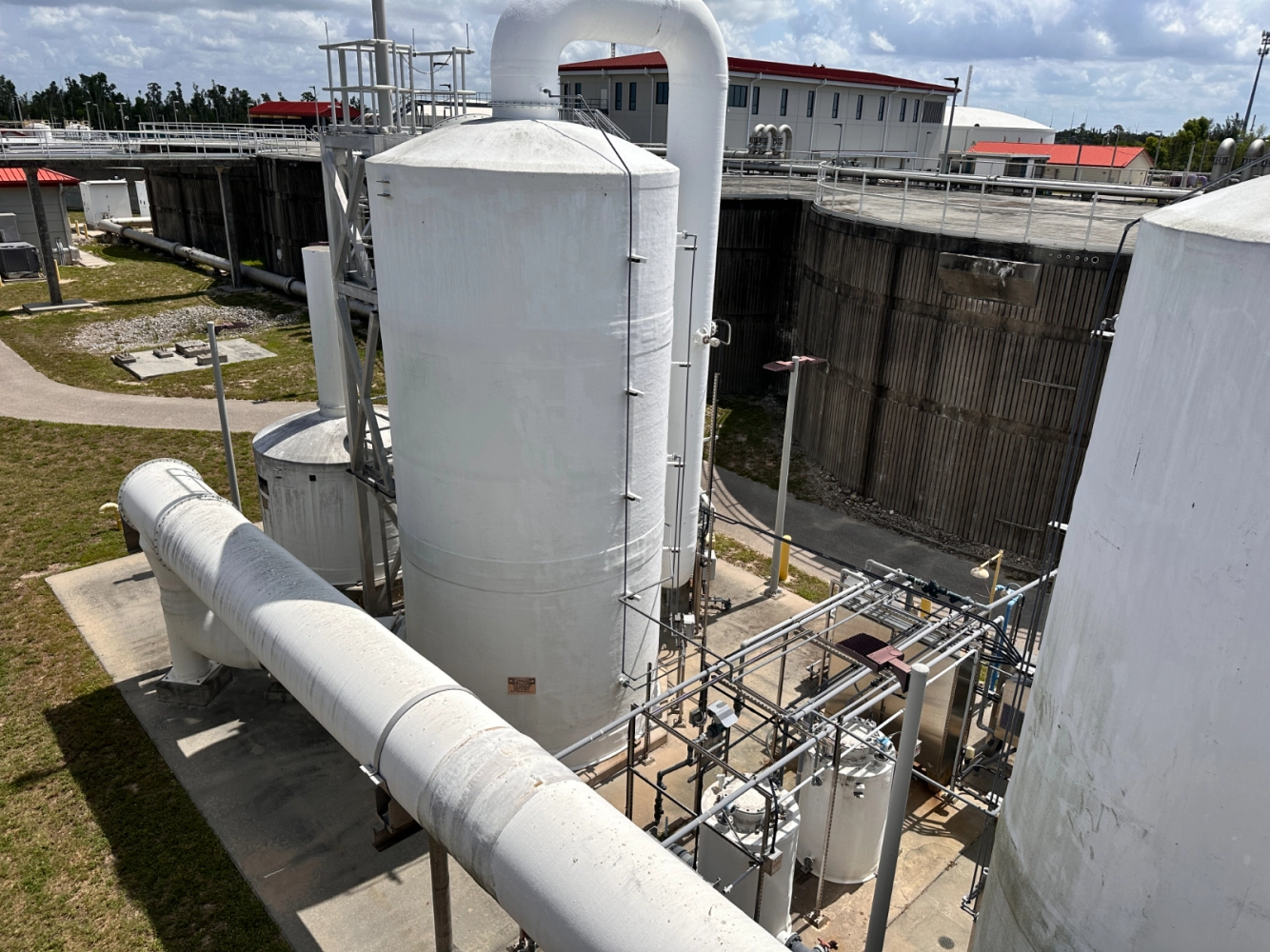
The odor control system captures and treats foul air generated during the early stages of wastewater treatment. Ventilation systems pull odorous air from enclosed process areas and route it through specialized treatment systems such as chemical scrubbers, biofilters, or activated carbon units to remove compounds like hydrogen sulfide (H₂S), helping reduce odors, protect infrastructure from corrosion, and improve conditions for both plant staff and surrounding communities.
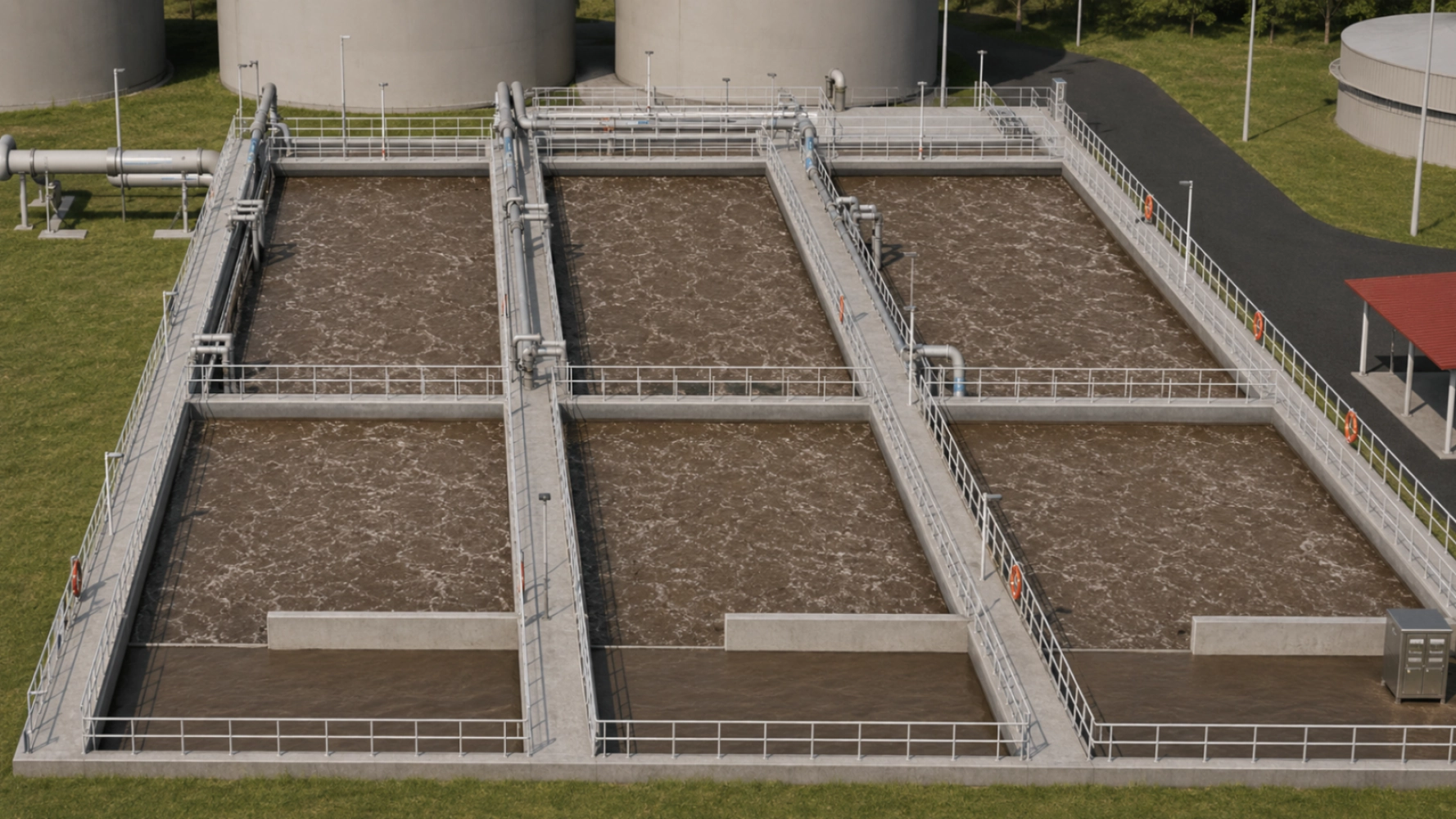
Aeration Basins
Aeration Basins are a critical part of the secondary treatment process where beneficial microorganisms biologically treat the wastewater by consuming organic pollutants and nutrients. Air is introduced into the basins to provide oxygen and create the conditions needed for microbial activity, allowing the system to remove contaminants such as organic waste and ammonia as the wastewater flows through different treatment zones. This controlled biological process helps improve water quality, stabili
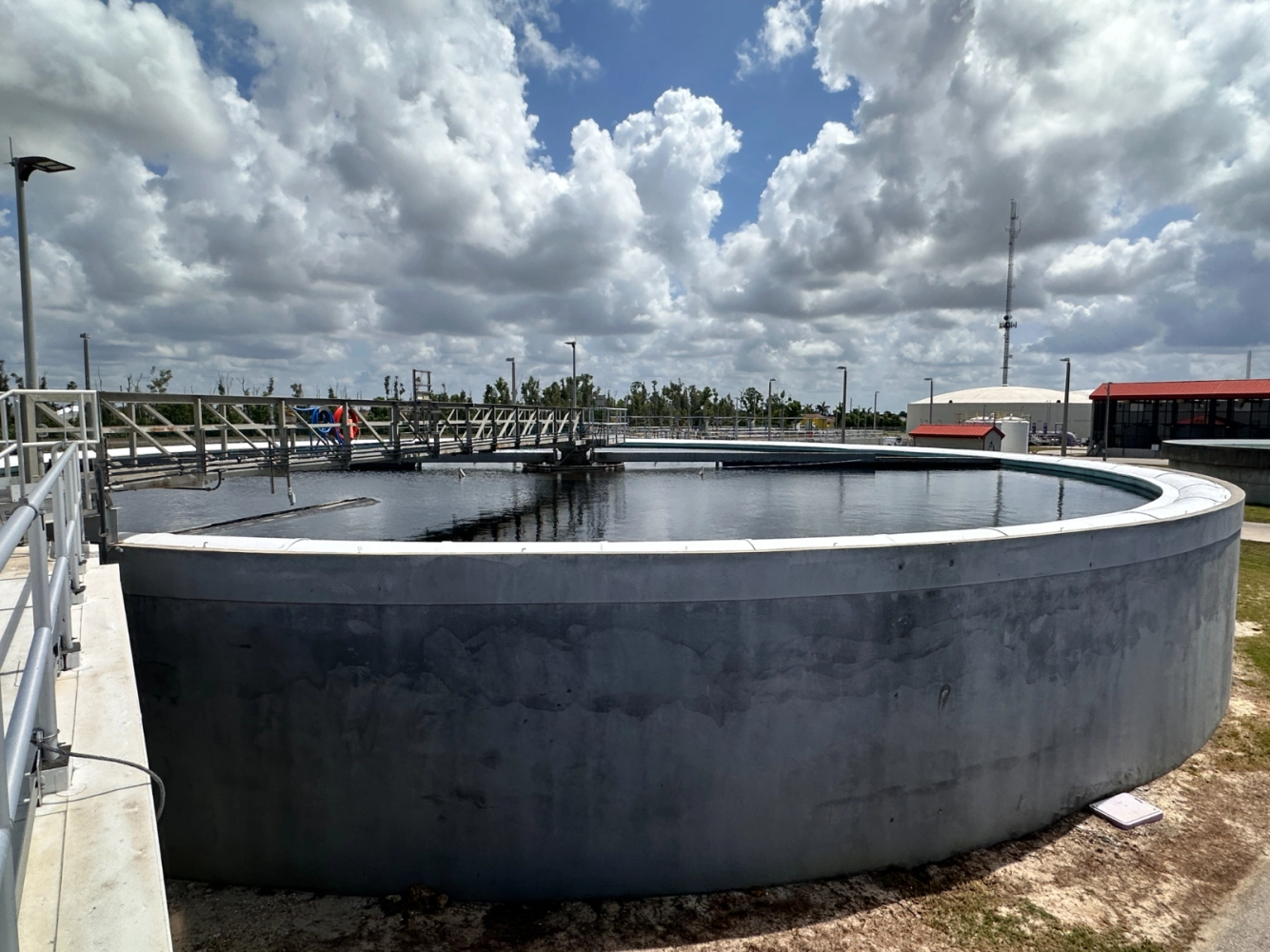
Secondary Clarifiers
Secondary Clarifiers are large settling tanks used to separate biological solids from treated wastewater after the aeration process. As the wastewater enters the clarifiers, gravity allows the activated sludge to settle to the bottom while clarified water rises to the surface and flows onward for additional treatment and disinfection. A portion of the settled solids is returned to the aeration basins to maintain the biological treatment process, while excess sludge is removed for biosolids handl
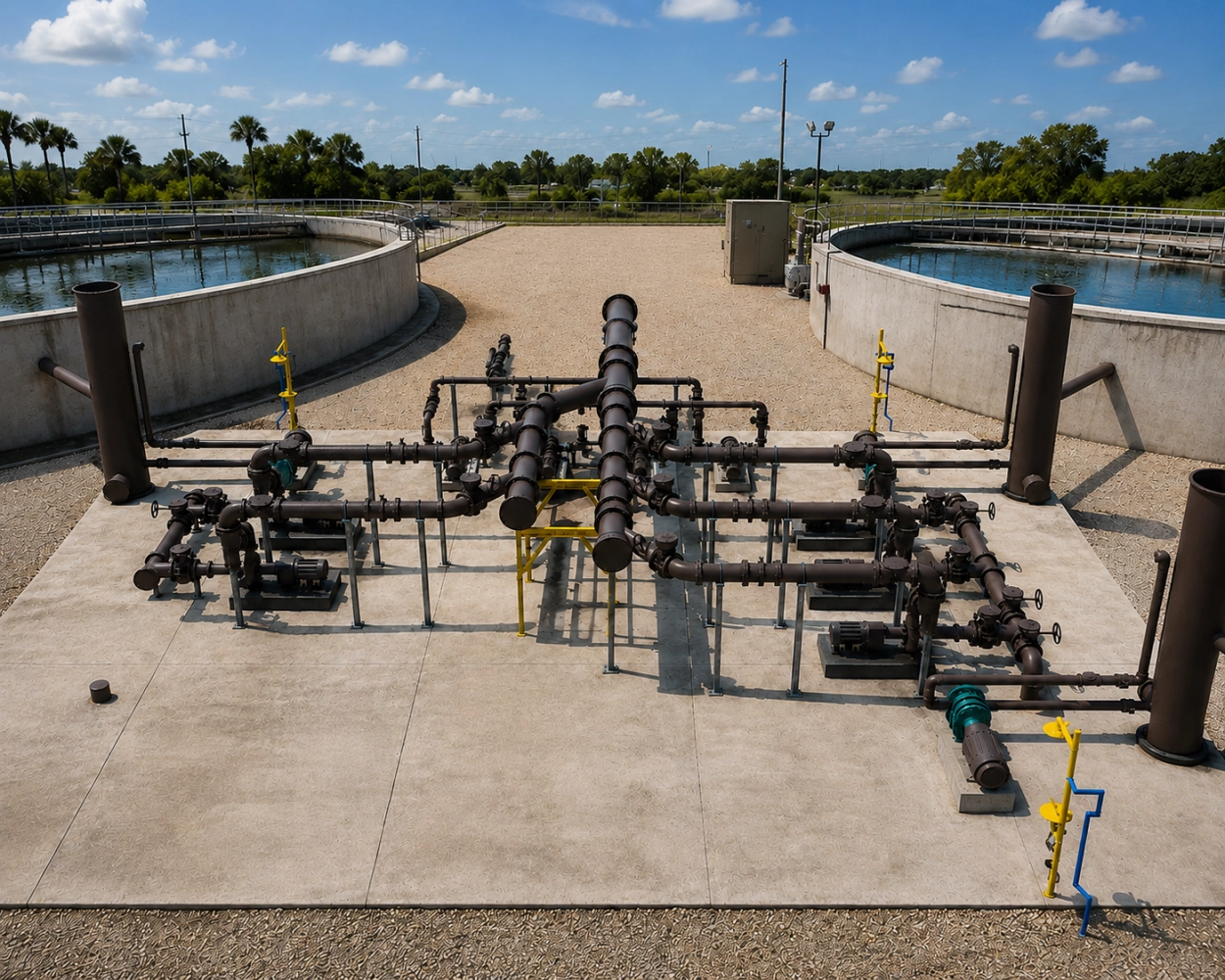
Return Activate Sludge (RAS)
Return Activated Sludge (RAS) is the process of recycling settled biomass from a secondary clarifier back into the aeration basin of a wastewater treatment plant. This maintains a stable, concentrated population of hungry microorganisms to break down incoming raw sewage and ensures continuous biological treatment.
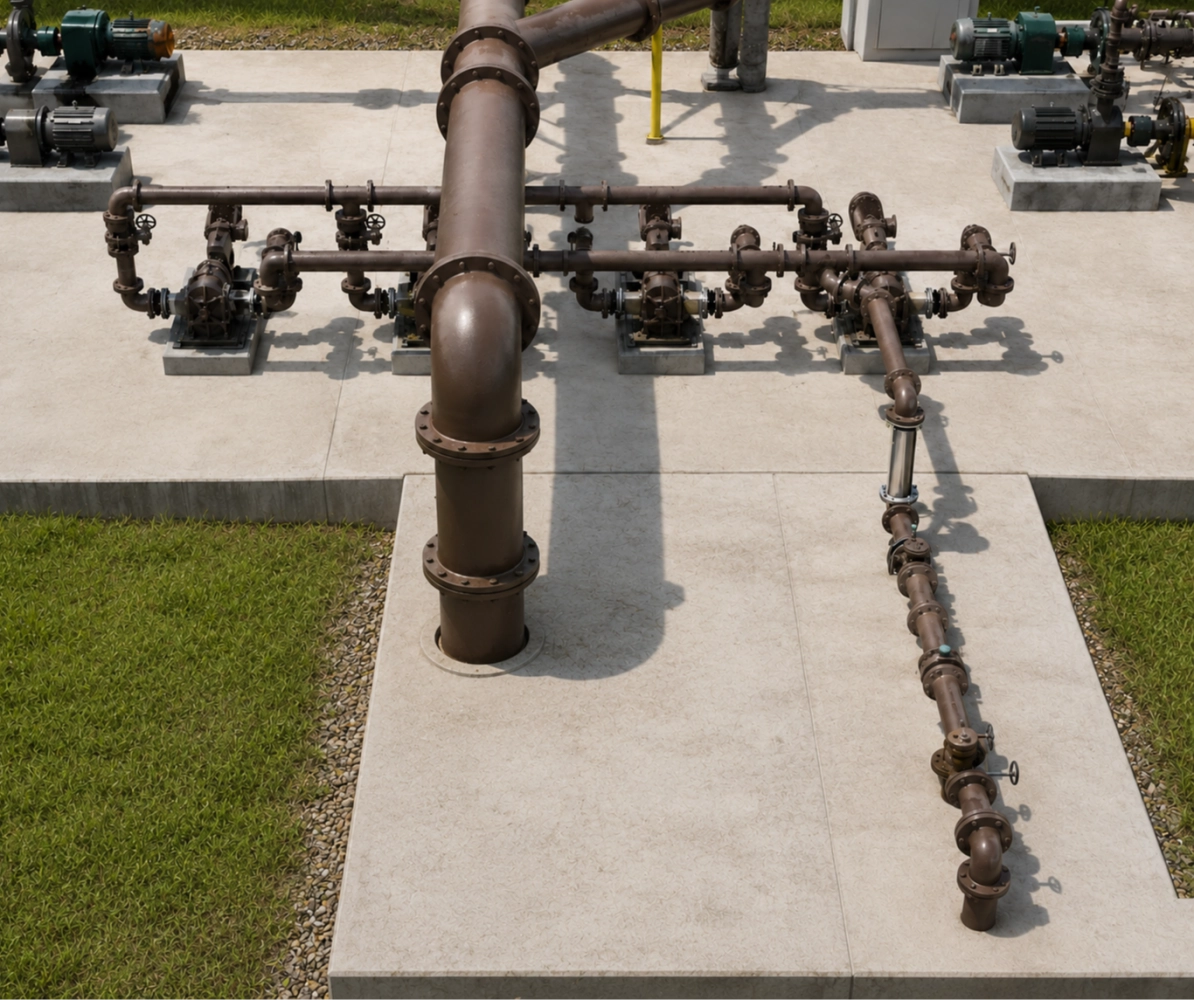
Waste Activate Sludge (WAS)
Waste Activated Sludge (WAS) is the surplus biomass—primarily microorganisms and organic solids—generated during biological wastewater treatment. It is continuously removed ("wasted") from secondary clarifiers to maintain system balance, prevent overpopulation of bacteria, and control the sludge.
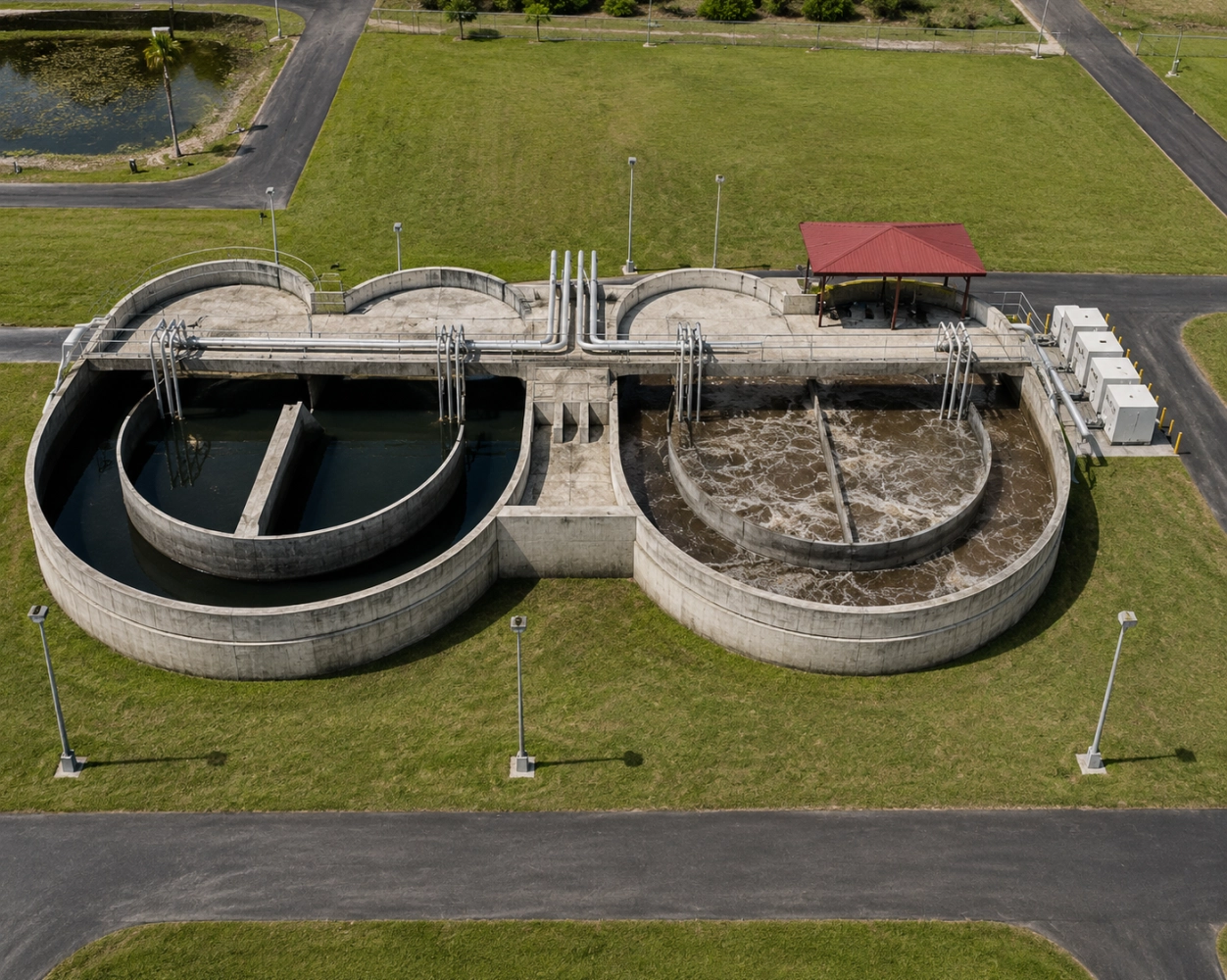
WAS Holding Tanks
A WAS (Waste Activated Sludge) holding tank is a temporary storage vessel used to hold excess biological solids removed from the wastewater treatment process before they undergo dewatering or further stabilization. This tank acts as a buffer, regulating the flow of solids to sludge-handling equipment.
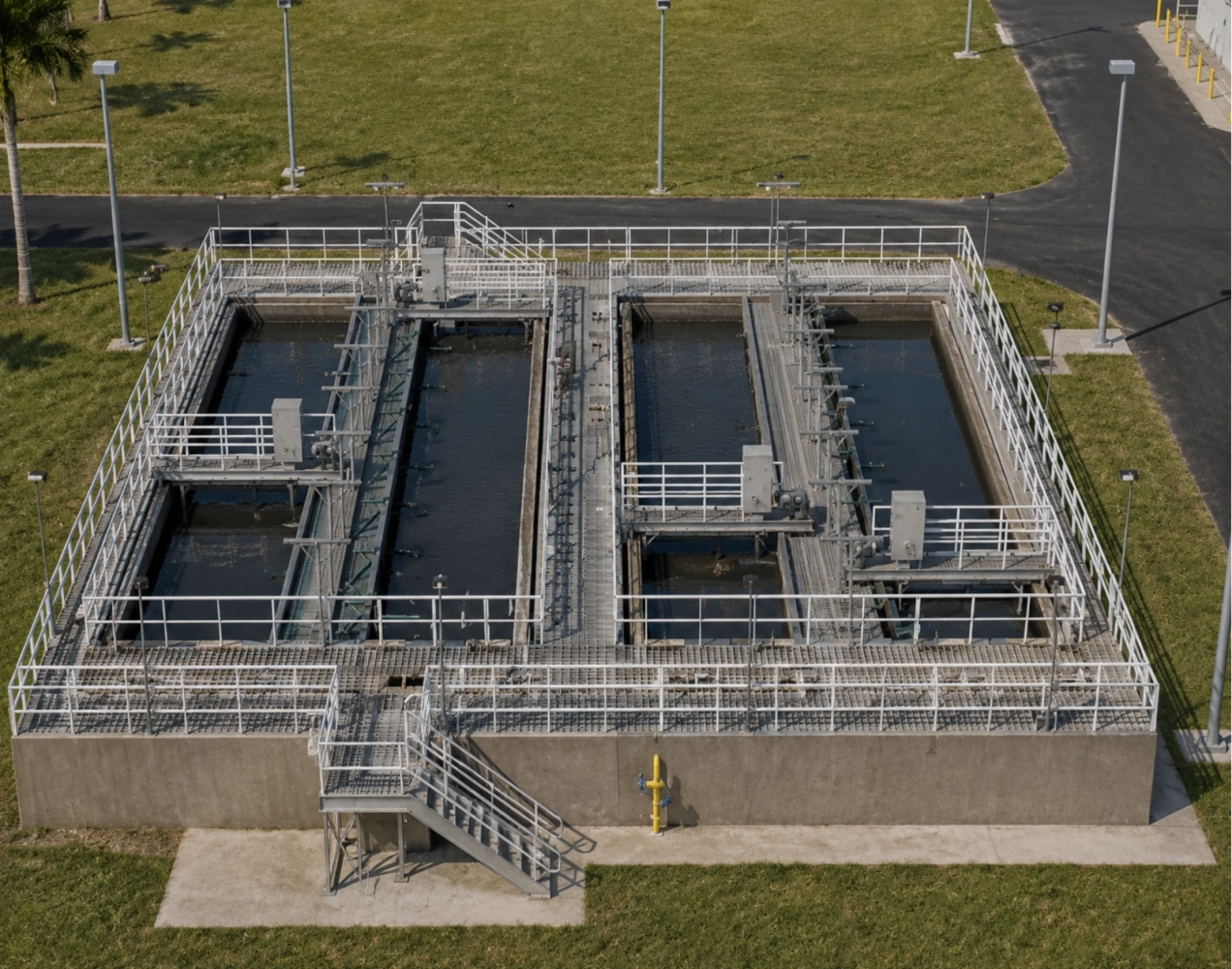
Auto Backwash Filters
Auto Backwash Filters are advanced filtration systems used during tertiary treatment to remove fine suspended solids remaining after secondary clarification. As treated water flows through the filter media, small particles are captured to improve water clarity and overall effluent quality before disinfection and reuse. The system continuously monitors filter performance and automatically initiates a backwash cleaning cycle when needed, allowing accumulated solids to be removed without interrupti
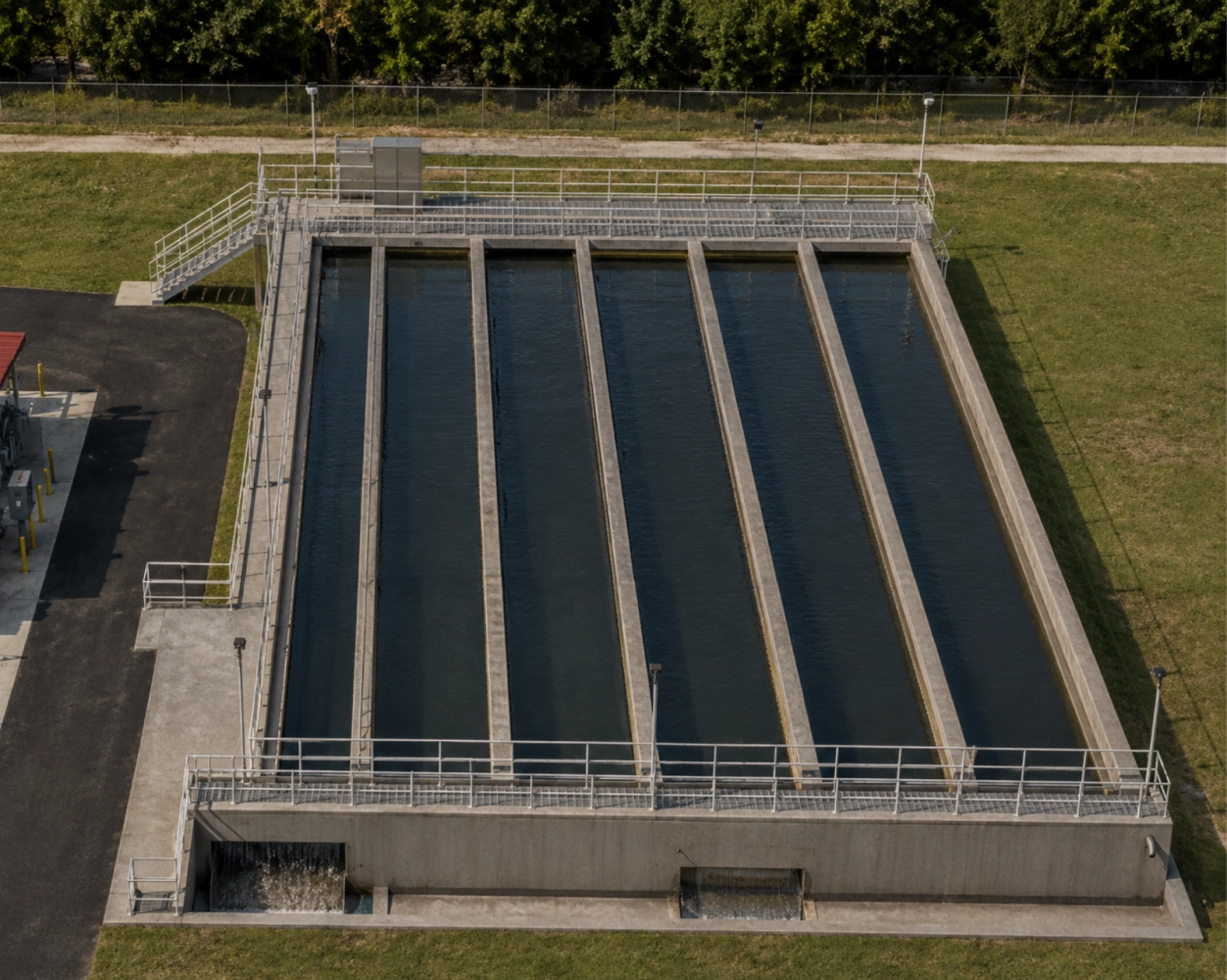
Chlorine Contact Basins
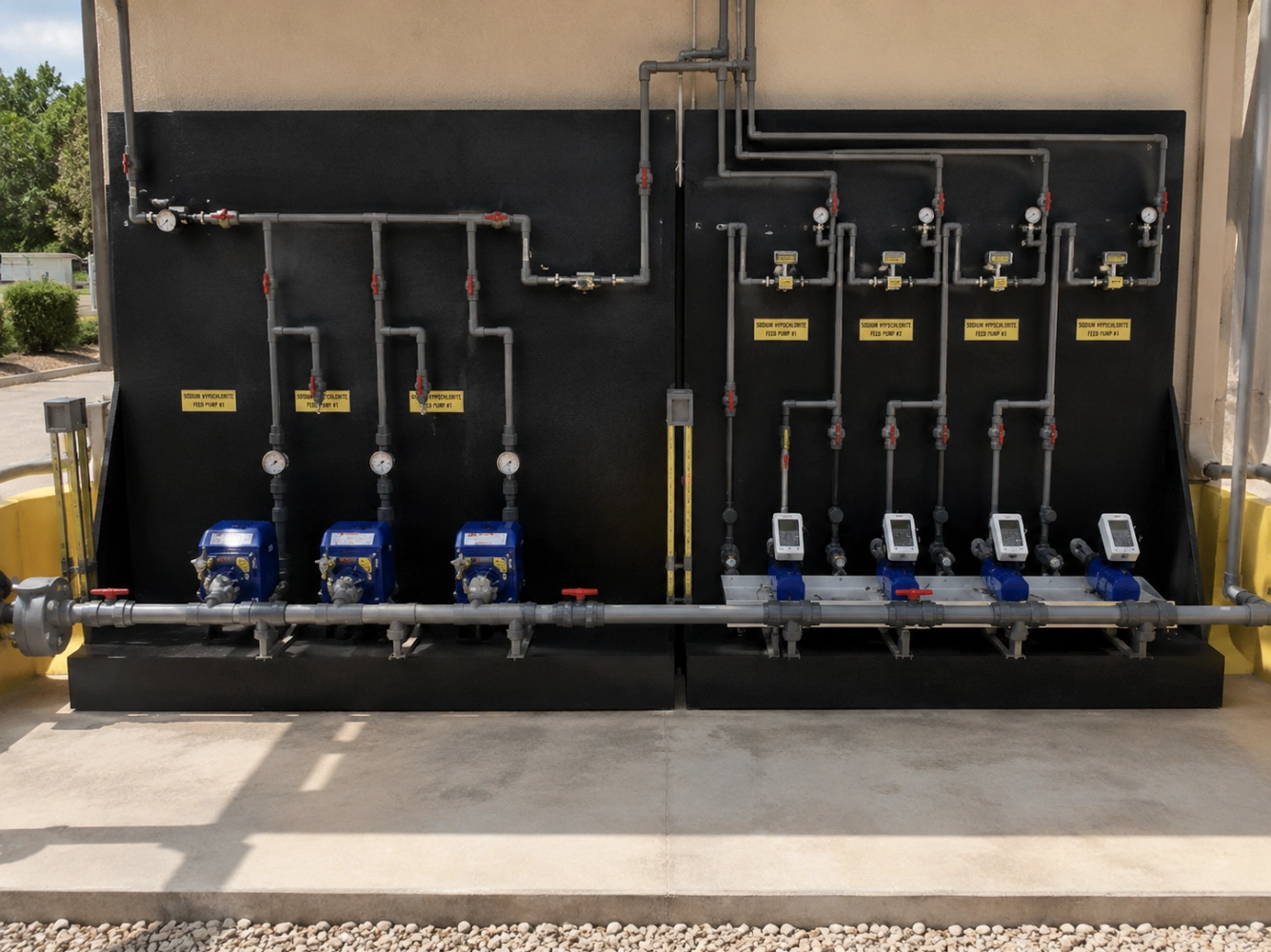
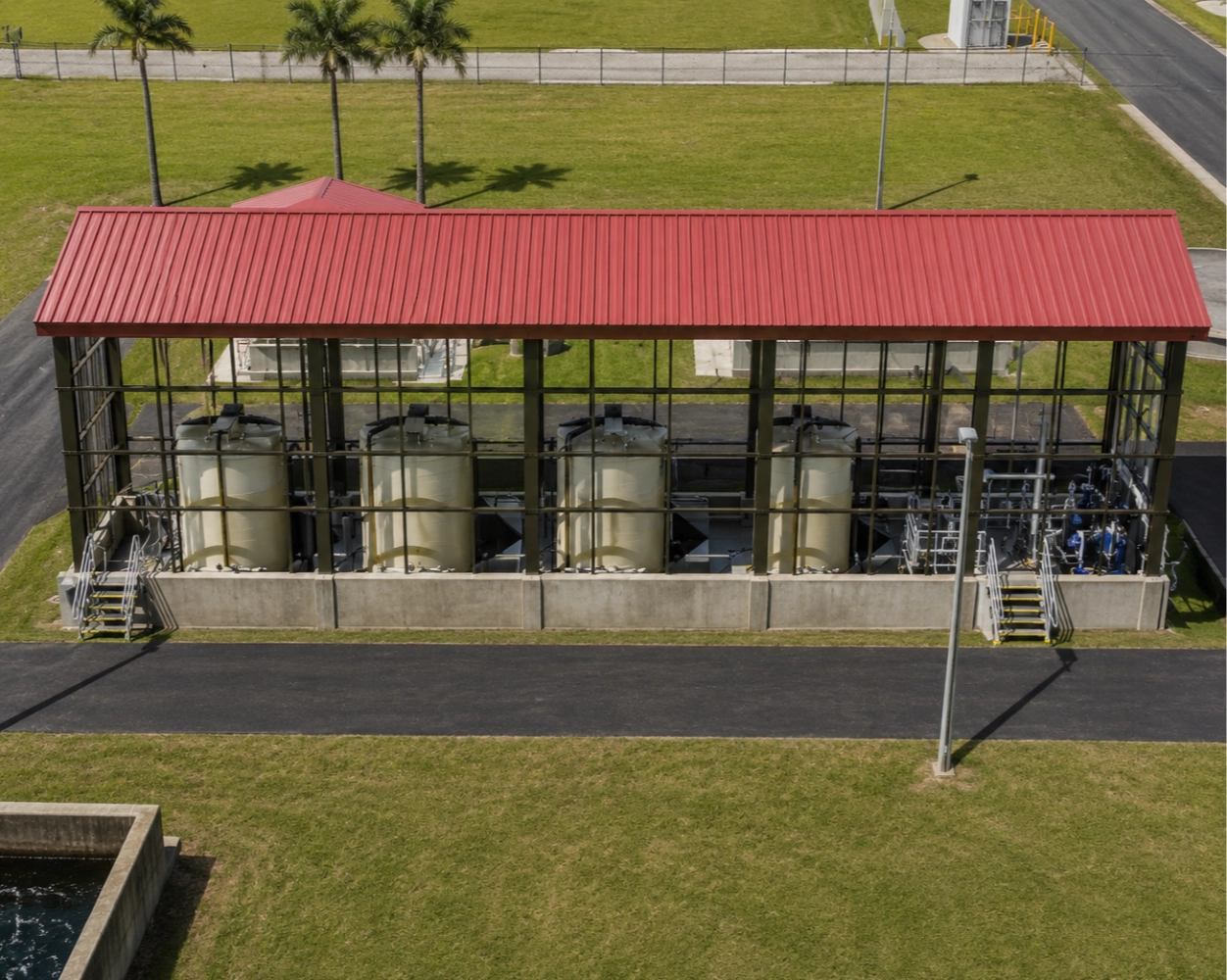
The Chlorine Contact Basins and Sodium Hypochlorite Feed & Storage System work together to disinfect treated wastewater before reuse or discharge. Sodium hypochlorite, a liquid chlorine solution, is stored onsite and carefully metered into the treated water stream, where the chlorine contact basins provide the necessary time and flow conditions for the disinfectant to effectively destroy harmful bacteria and pathogens. This process helps ensure the reclaimed water meets strict regulatory standar
Disinfection
Wastewater disinfection inactivates disease-causing pathogens in treated effluent before it is discharged or reused. The most common method used in municipal facilities is chlorination.
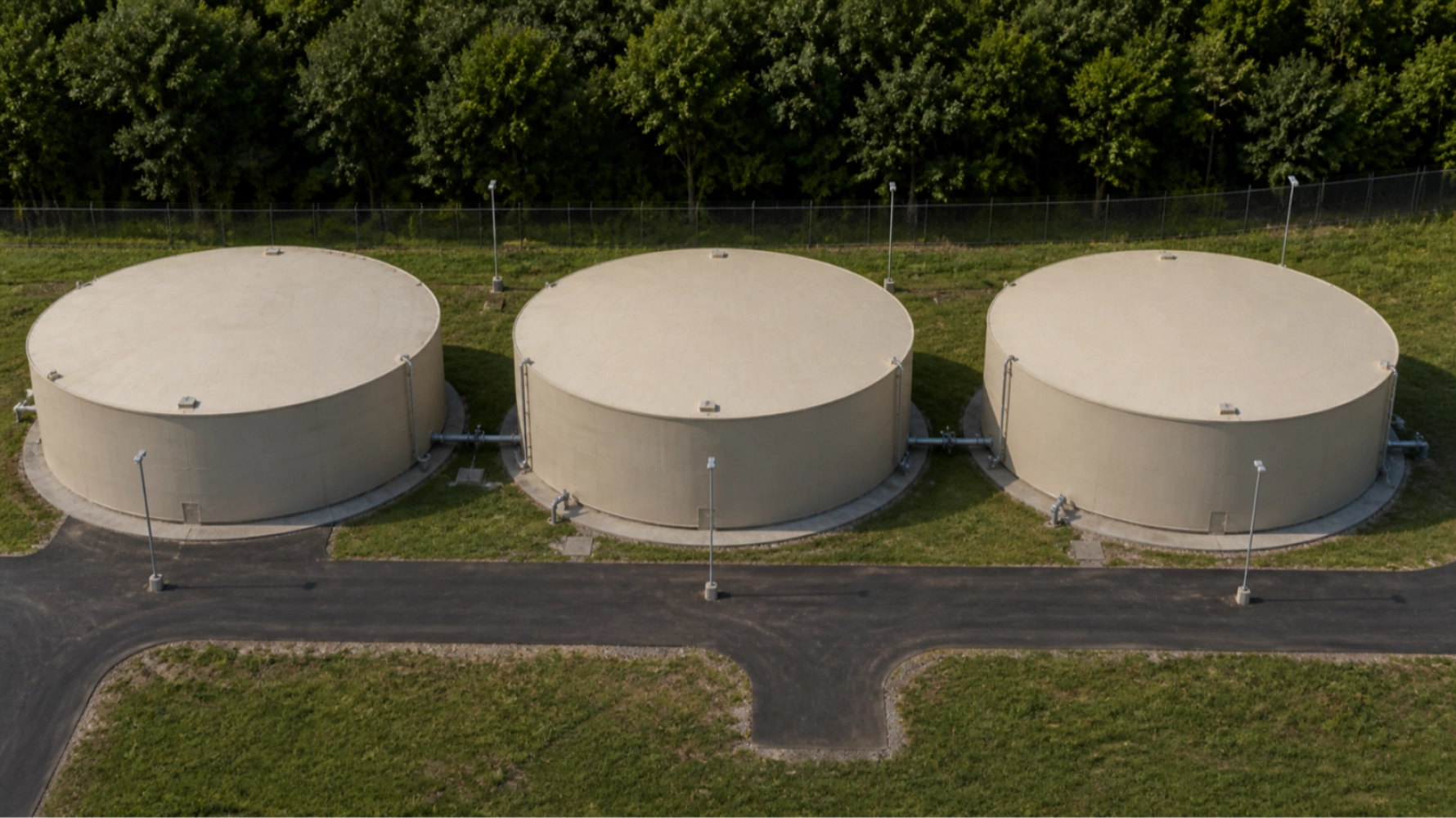
Reclaim Water Storage Tanks
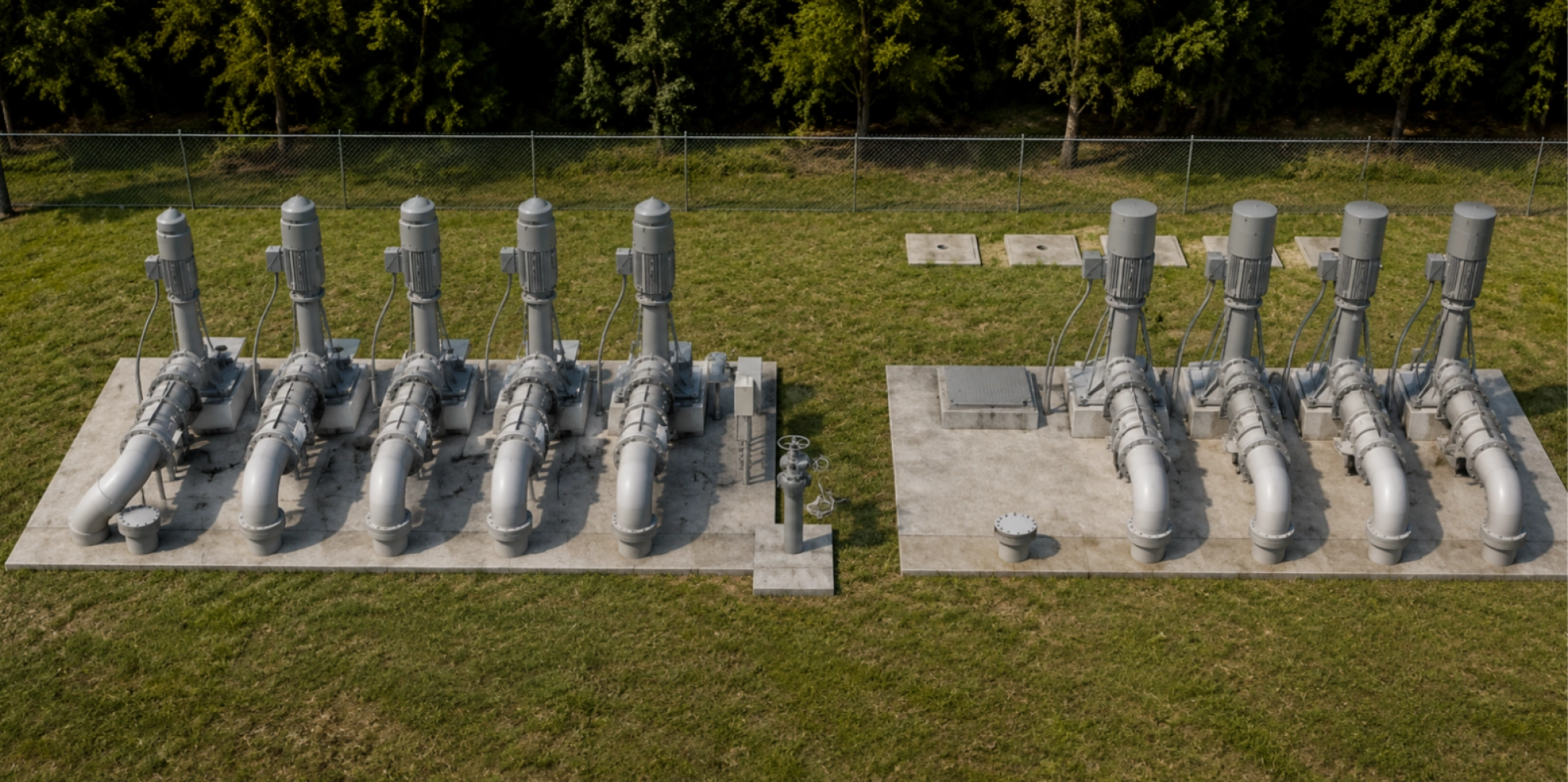
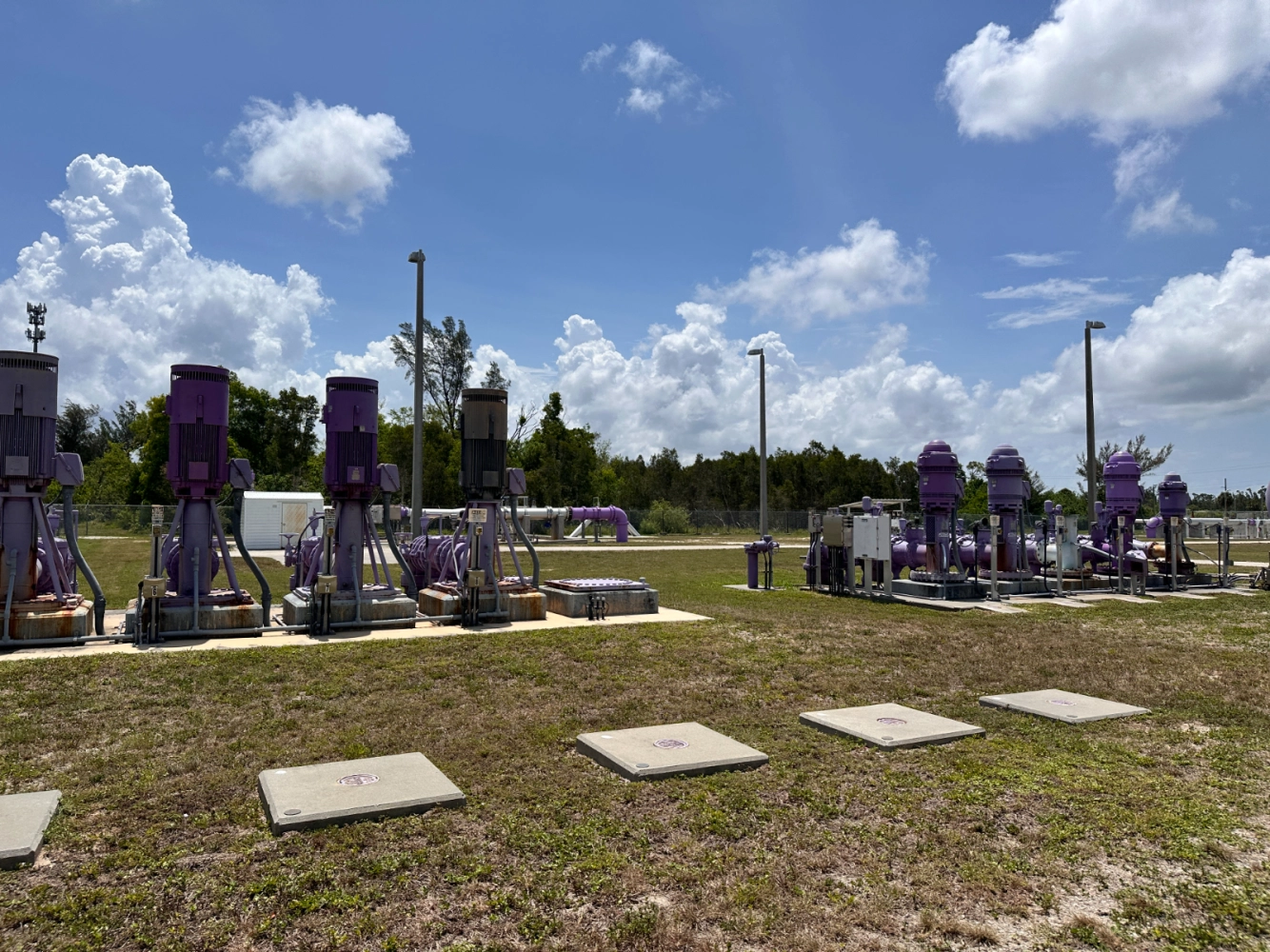
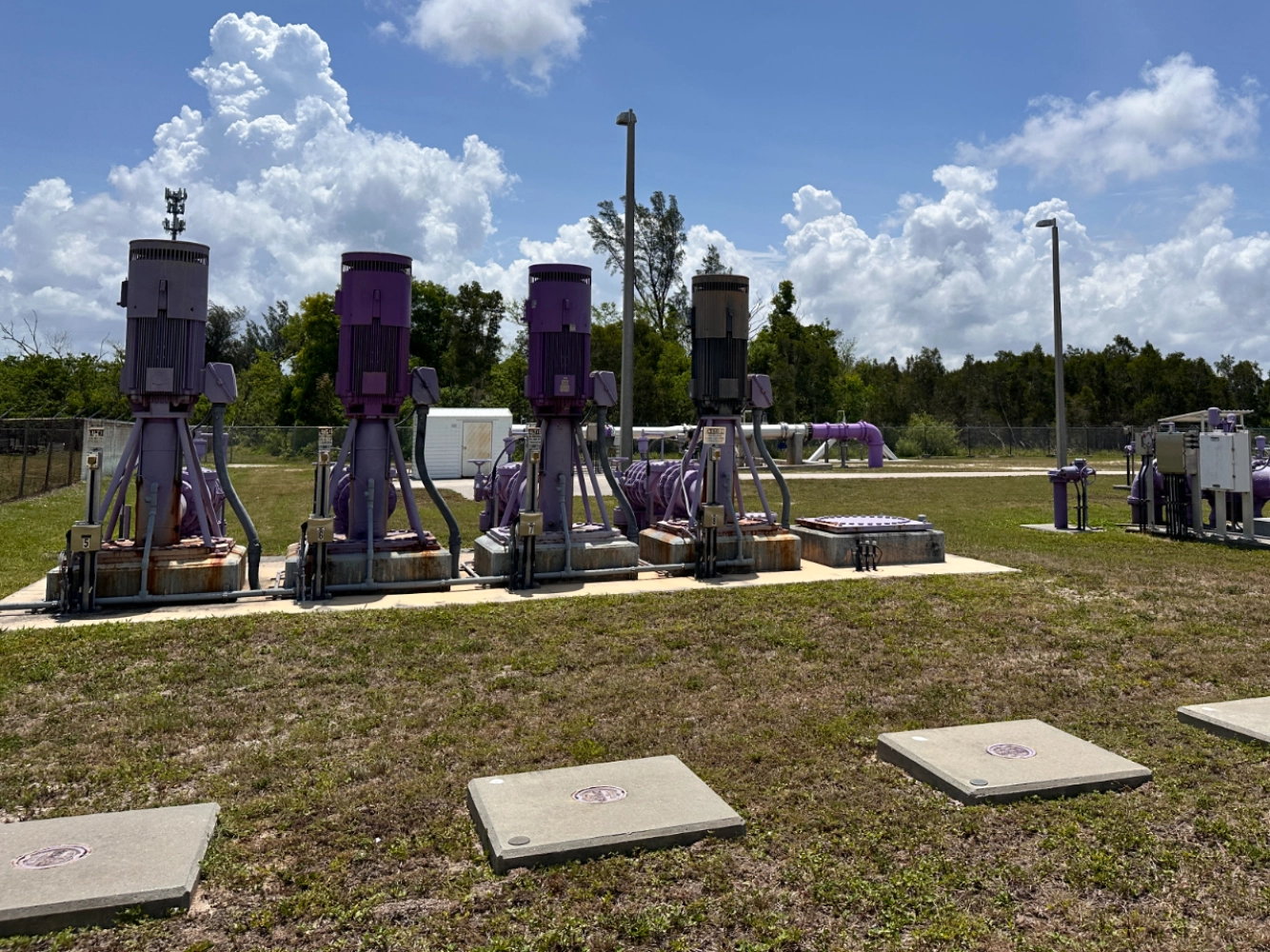
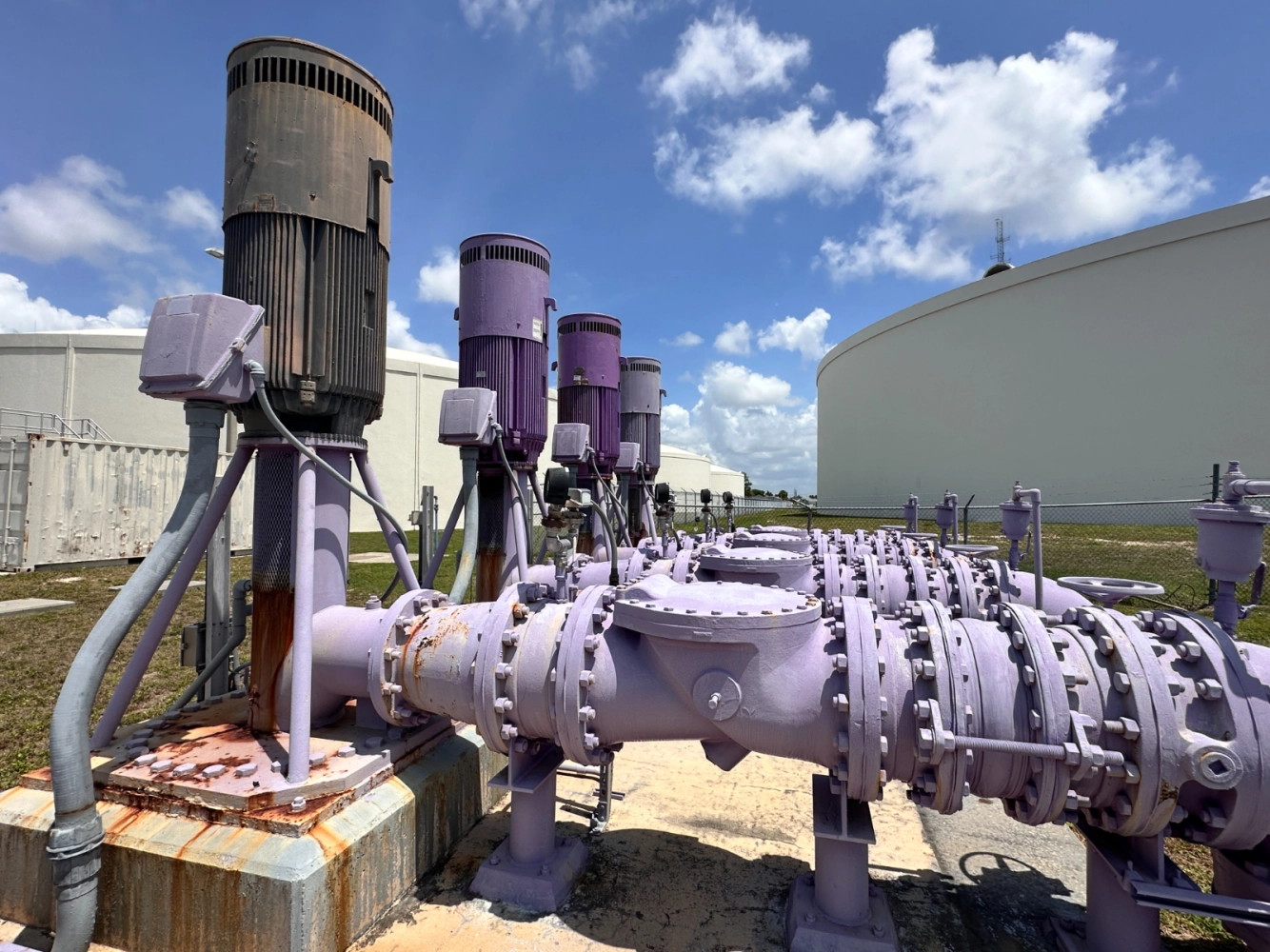
Reclaimed Water Storage Tanks provide temporary storage for highly treated reclaimed water before it is distributed for approved non-potable reuse applications such as irrigation. These large storage tanks help balance fluctuations between treatment plant production and customer demand while supporting stable system pressure and continuous water availability. Integrated monitoring and automated controls help ensure only reclaimed water meeting strict quality standards is stored and delivered thr
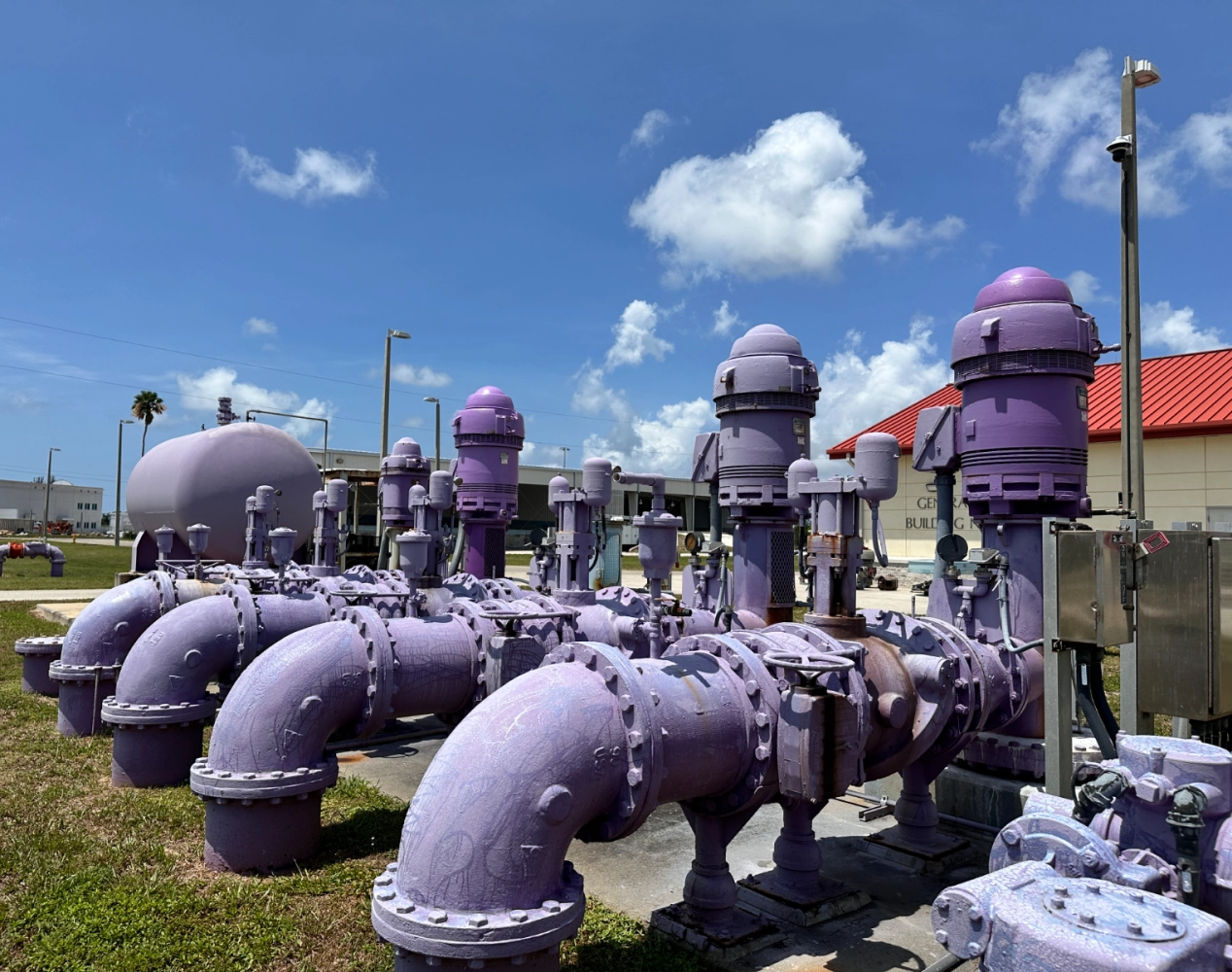
Reclaim Storage Pumps
Reclaimed Water Storage Pumps transfer highly treated reclaimed water from the storage tanks into the reuse distribution network for applications such as irrigation and other approved non-potable uses. These pumps automatically adjust flow and pressure based on real-time system demand using integrated sensors and control systems, helping maintain stable operation, reliable water delivery, and efficient distribution throughout the reclaimed water system.
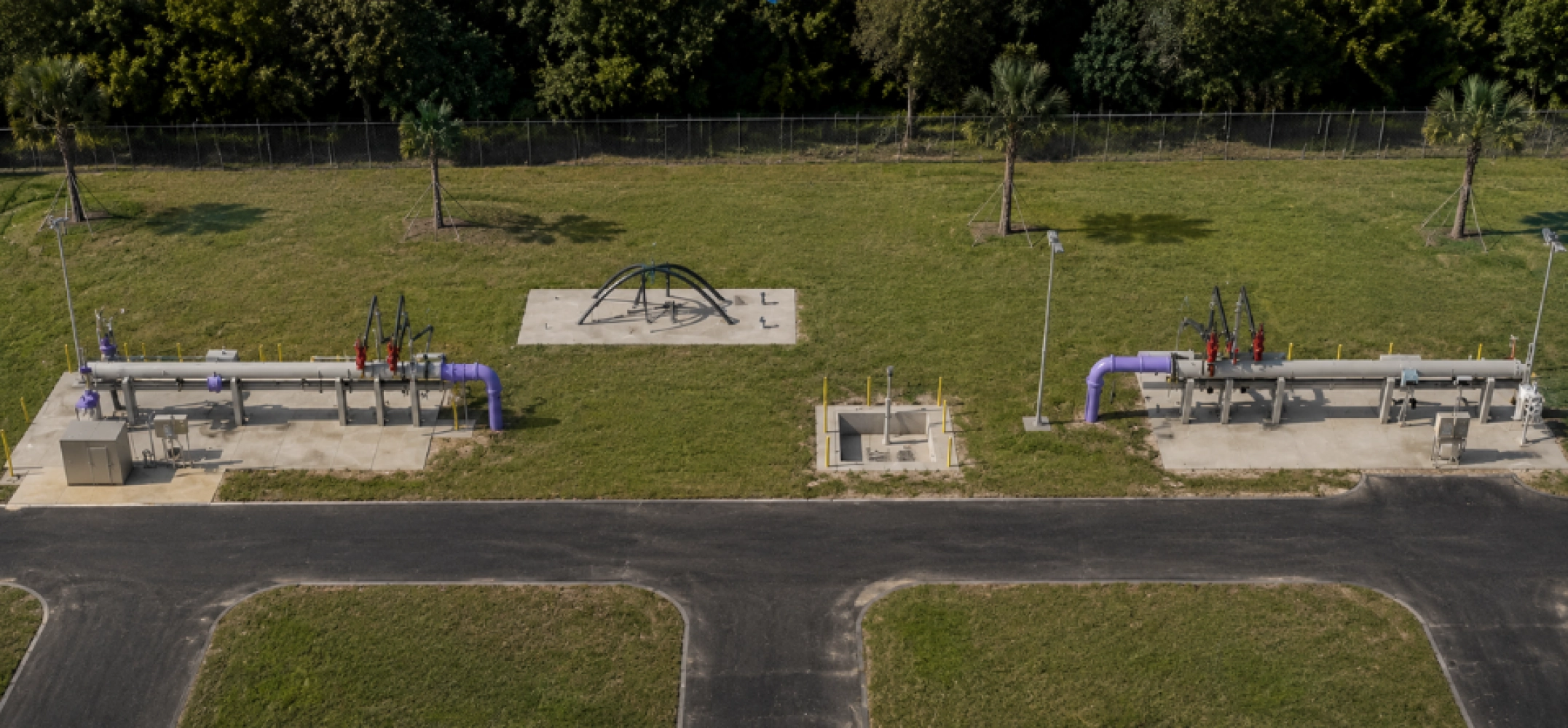
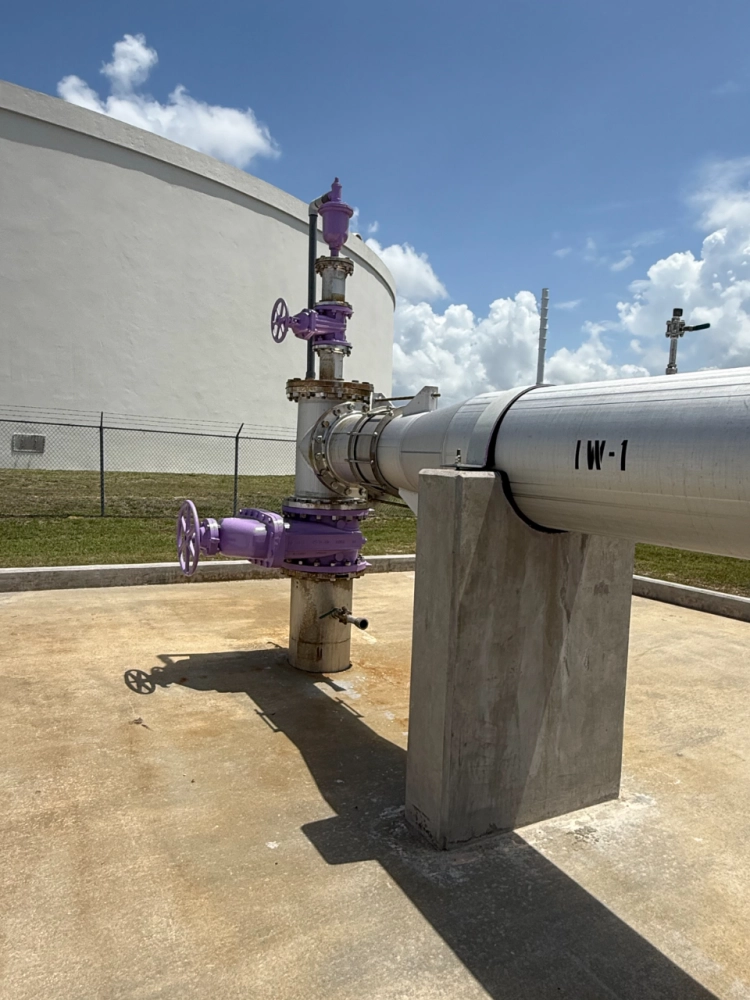
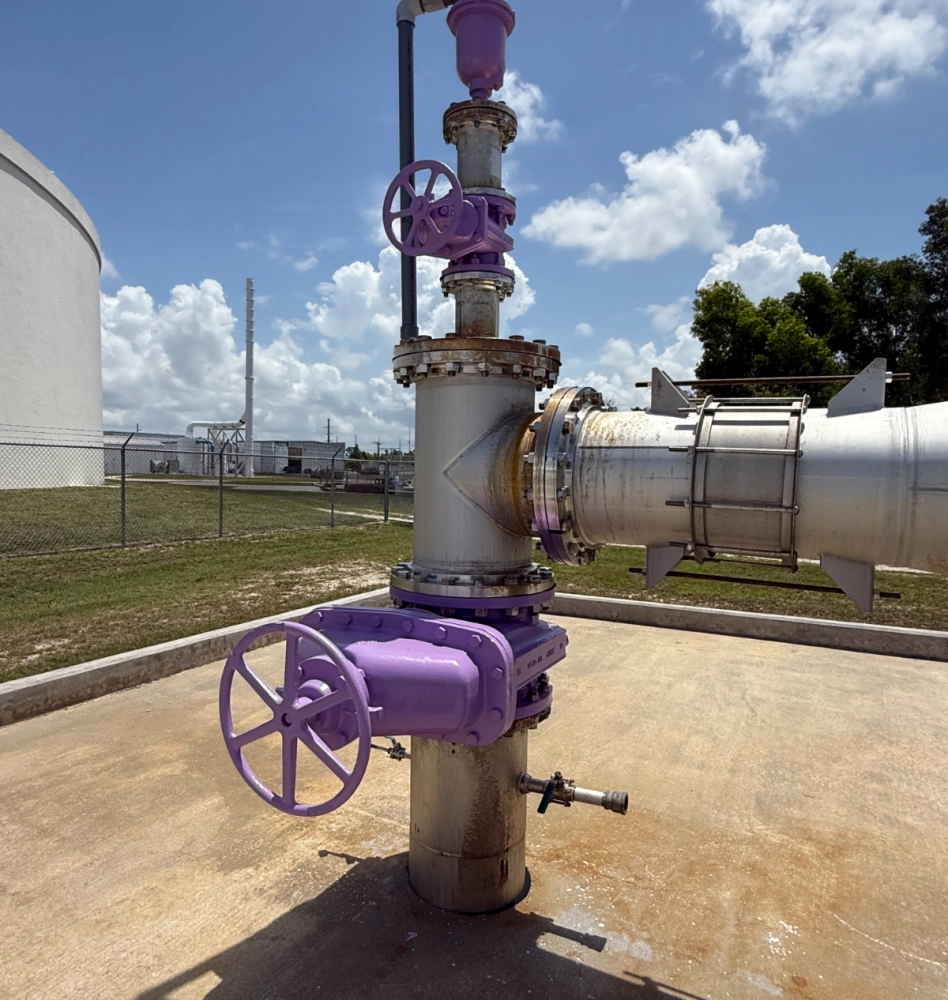
Deep Injection Wells
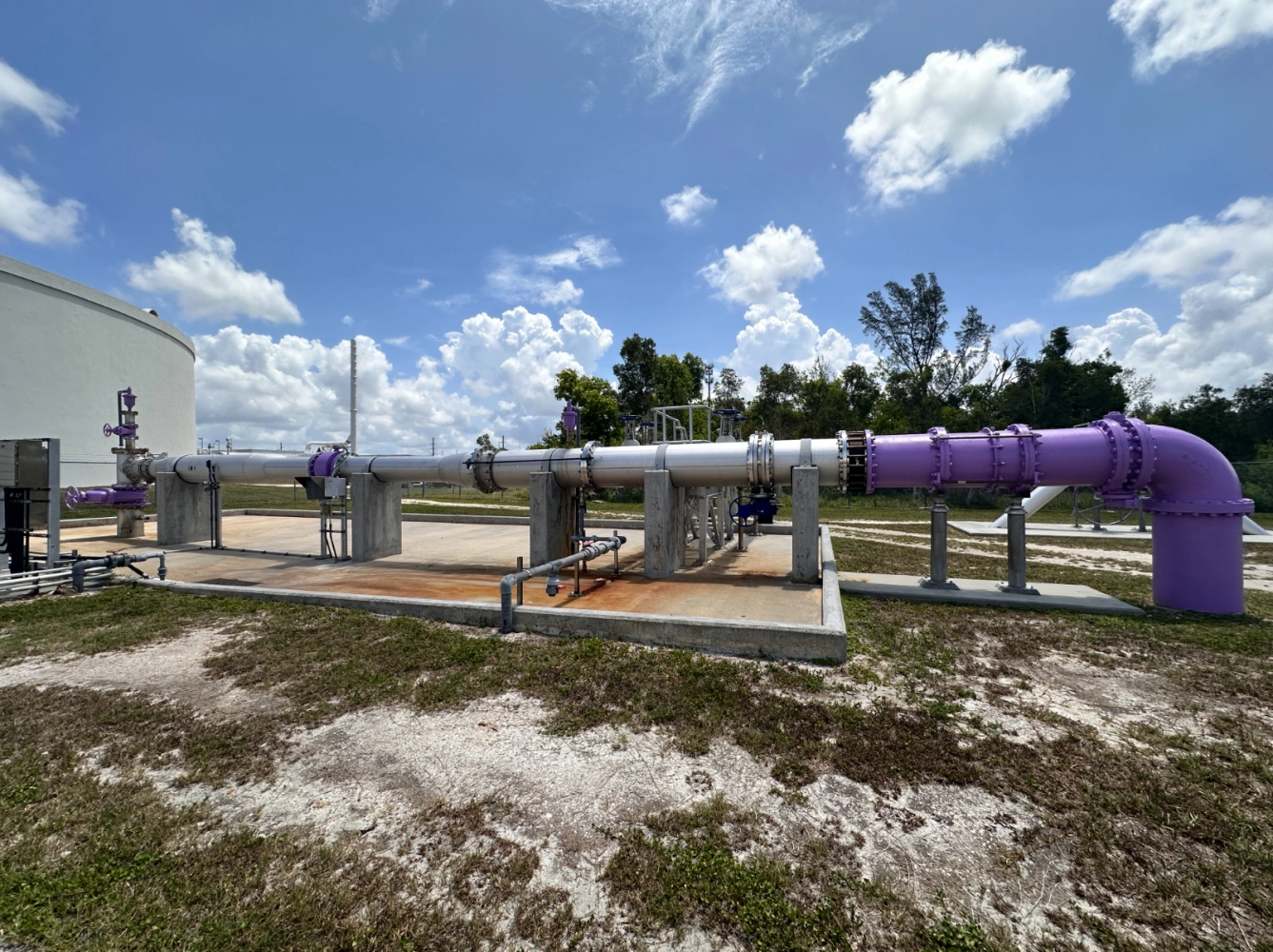
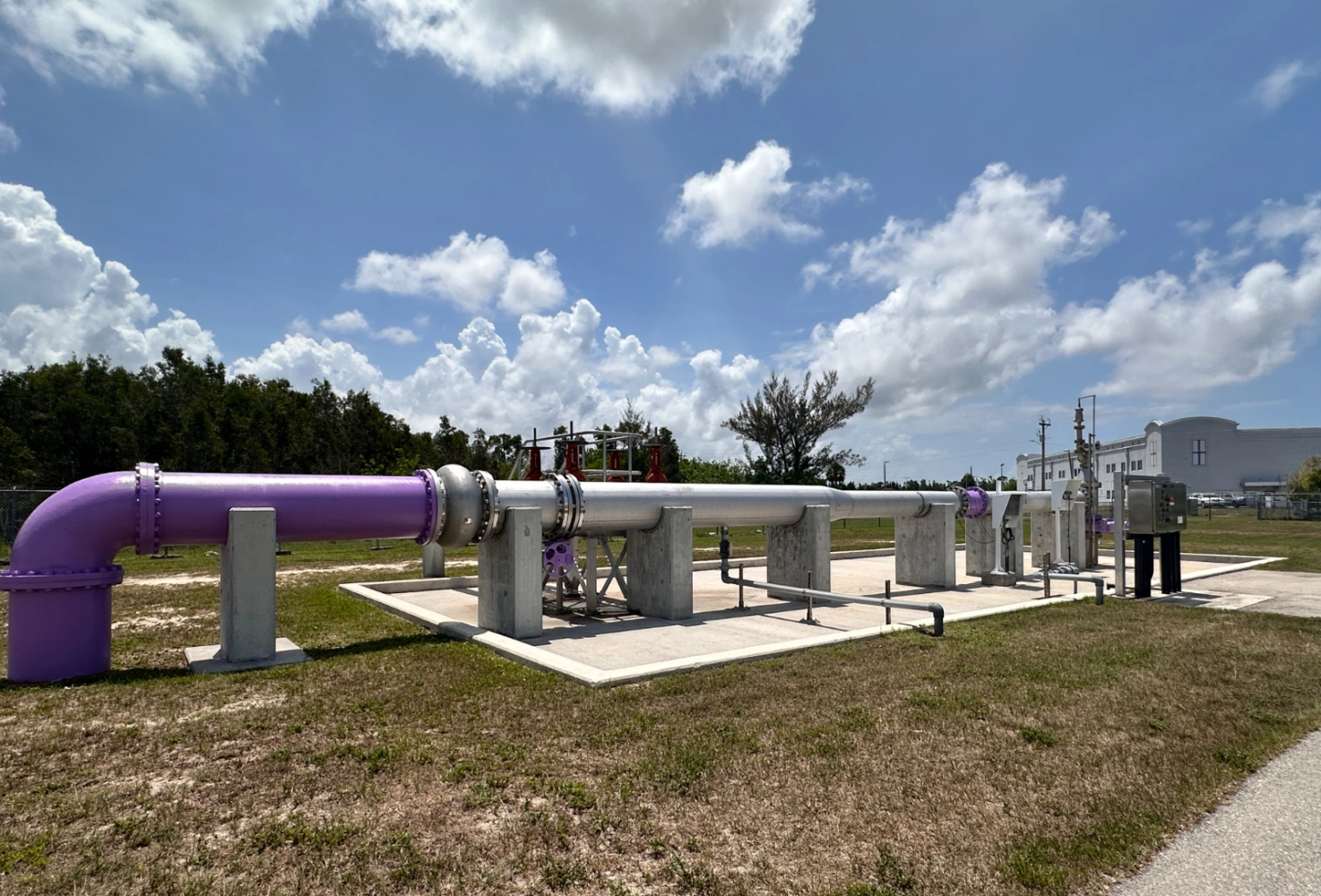
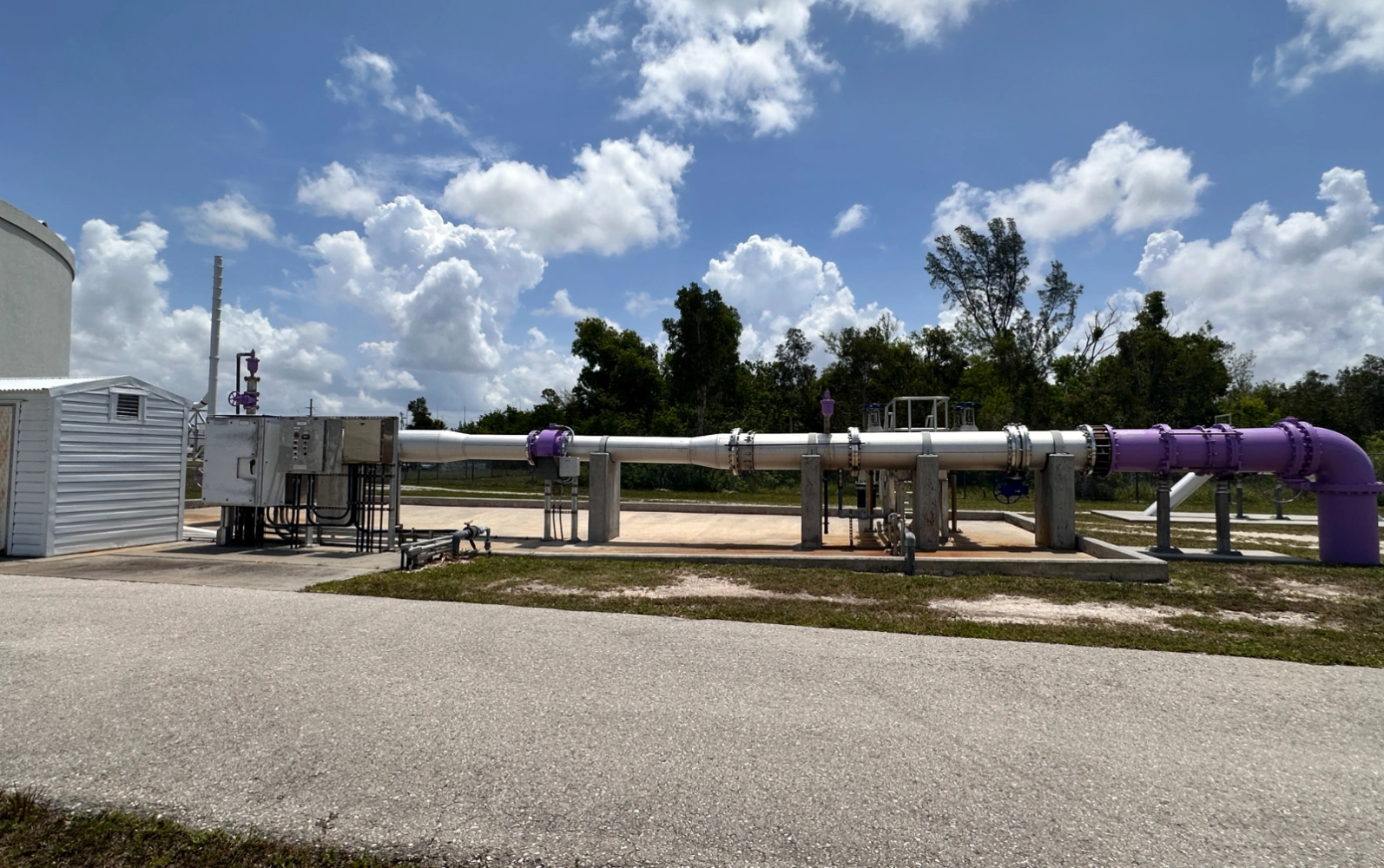
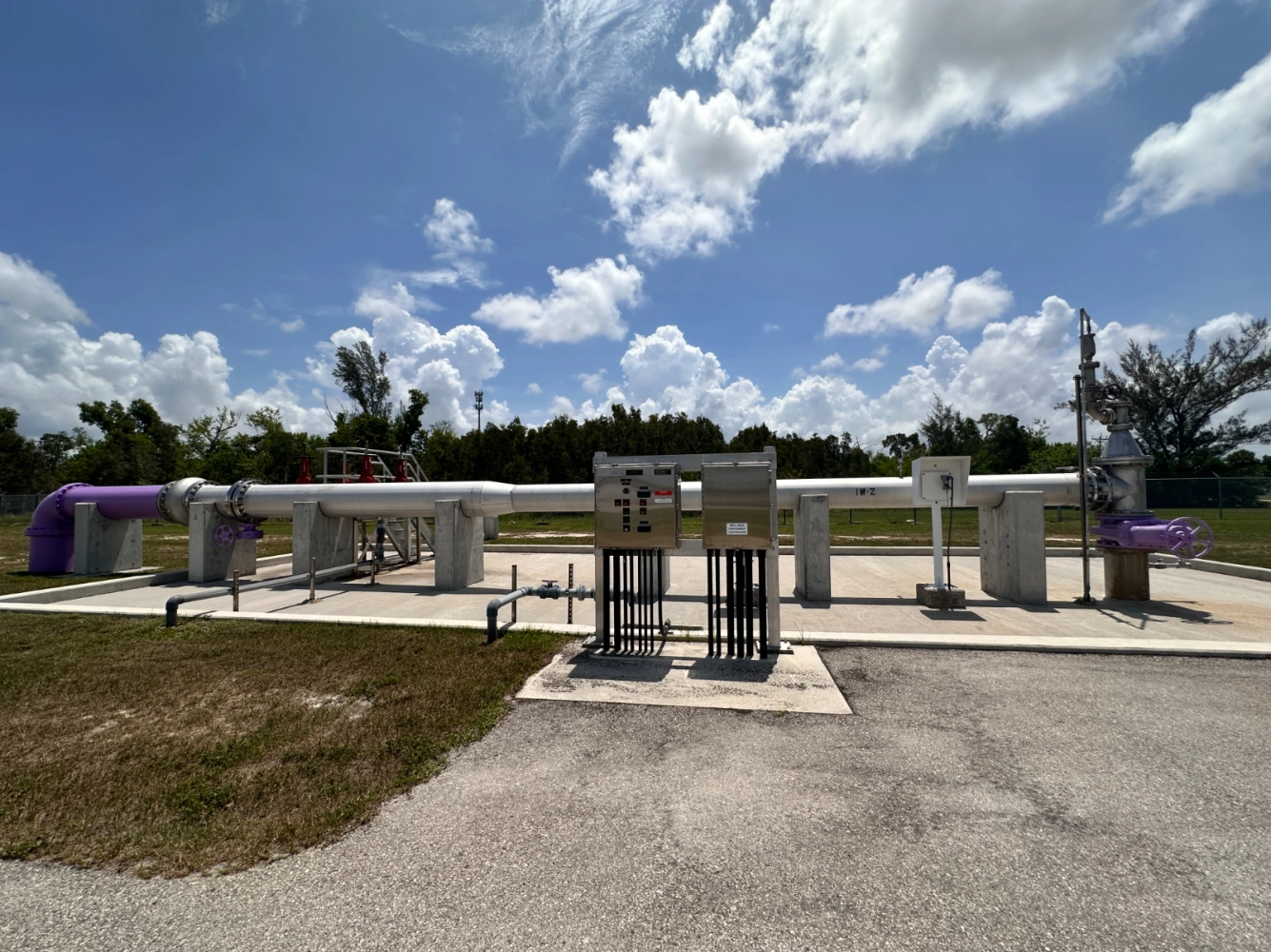
Deep Injection Wells provide a regulated disposal method for treated wastewater when reclaimed water demand is low or when the water does not meet reuse standards. The system pumps treated effluent deep underground into isolated geological zones far below drinking water aquifers, helping ensure environmental protection and regulatory compliance. These wells allow the facility to continue operating reliably under changing conditions while safely managing excess treated water that cannot be distri
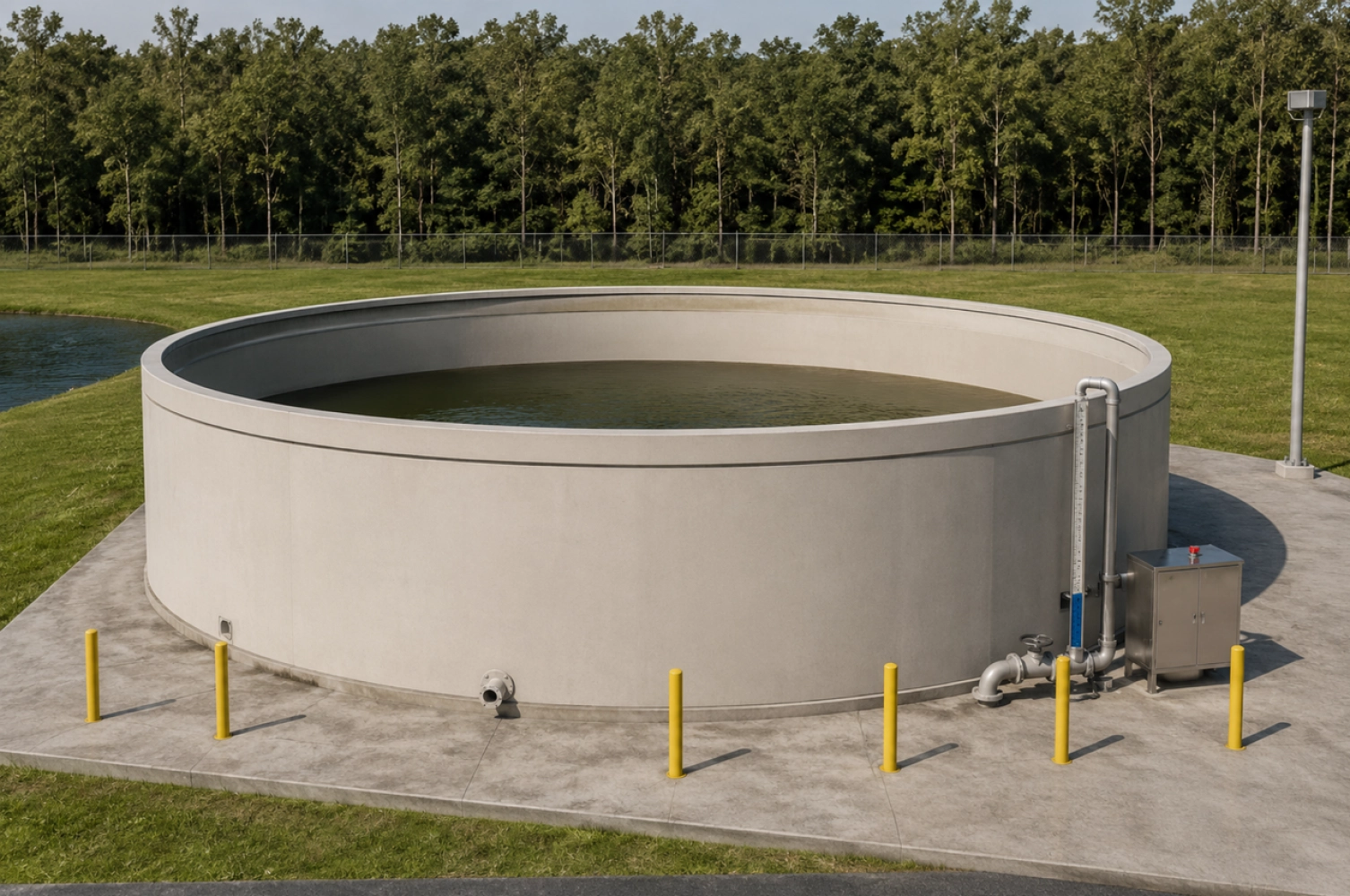
Reject Storage Tank
This tank holds the water until treatment conditions are restored and water quality parameters return to compliant levels. Once acceptable quality is reestablished, the retained water can either be reintroduced into the treatment process or managed in accordance with facility operating procedures. If reject storage capacity is exceeded or prolonged quality issues occur, the system is capable of redirecting excess reject water to deep injection wells or other approved disposal methods.
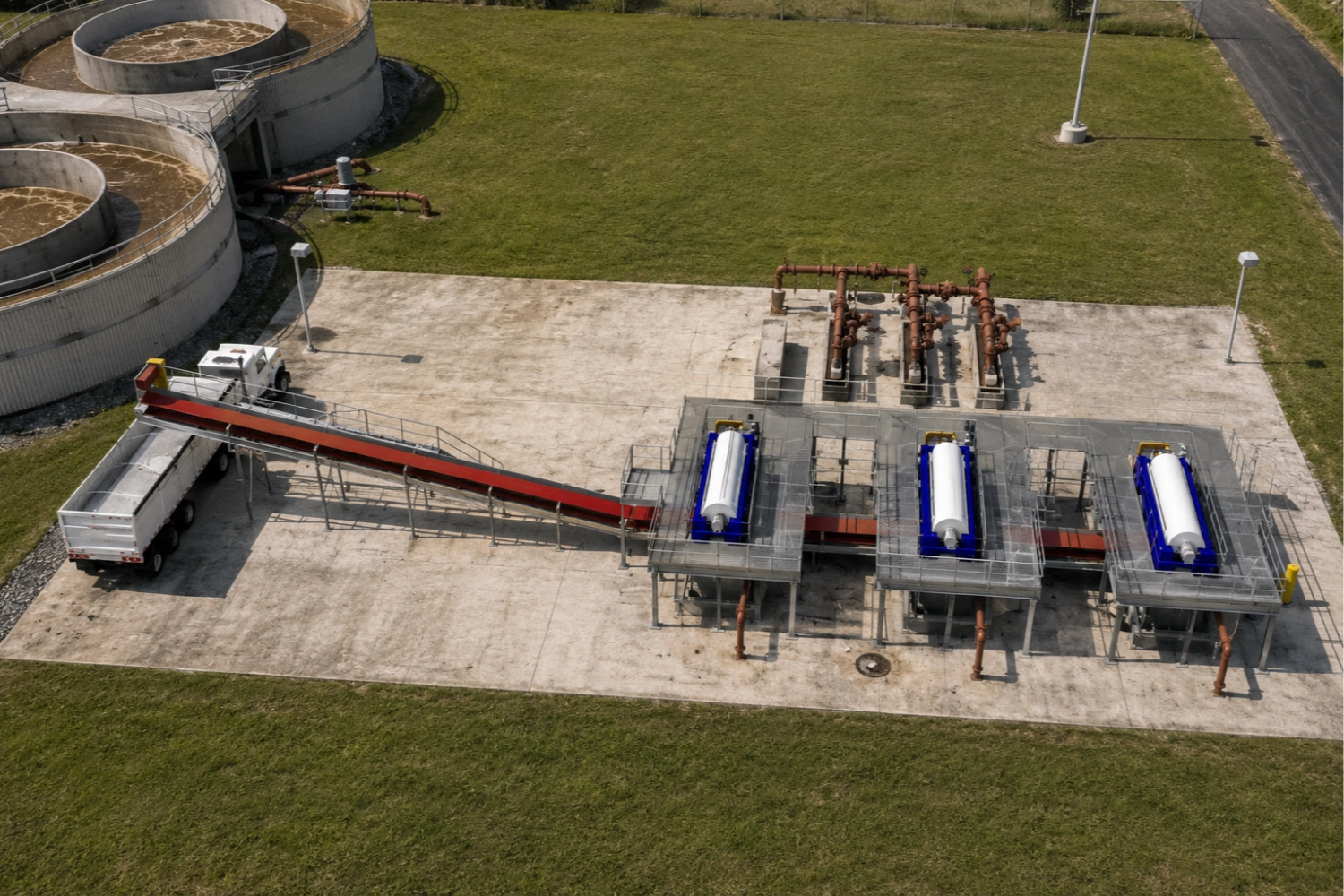
Biosolids Overview
Microorganisms break down volatile organic matter in oxygen-deprived environments (anaerobic digestion) or oxygen-rich ones (aerobic digestion. Mechanical equipment (such as screw presses or centrifuges) squeezes out excess moisture, converting liquid sludge into a solid. The final product is rich in nitrogen, phosphorus, and organic carbon, making it highly valuable as a soil conditioner and agricultural fertilizer
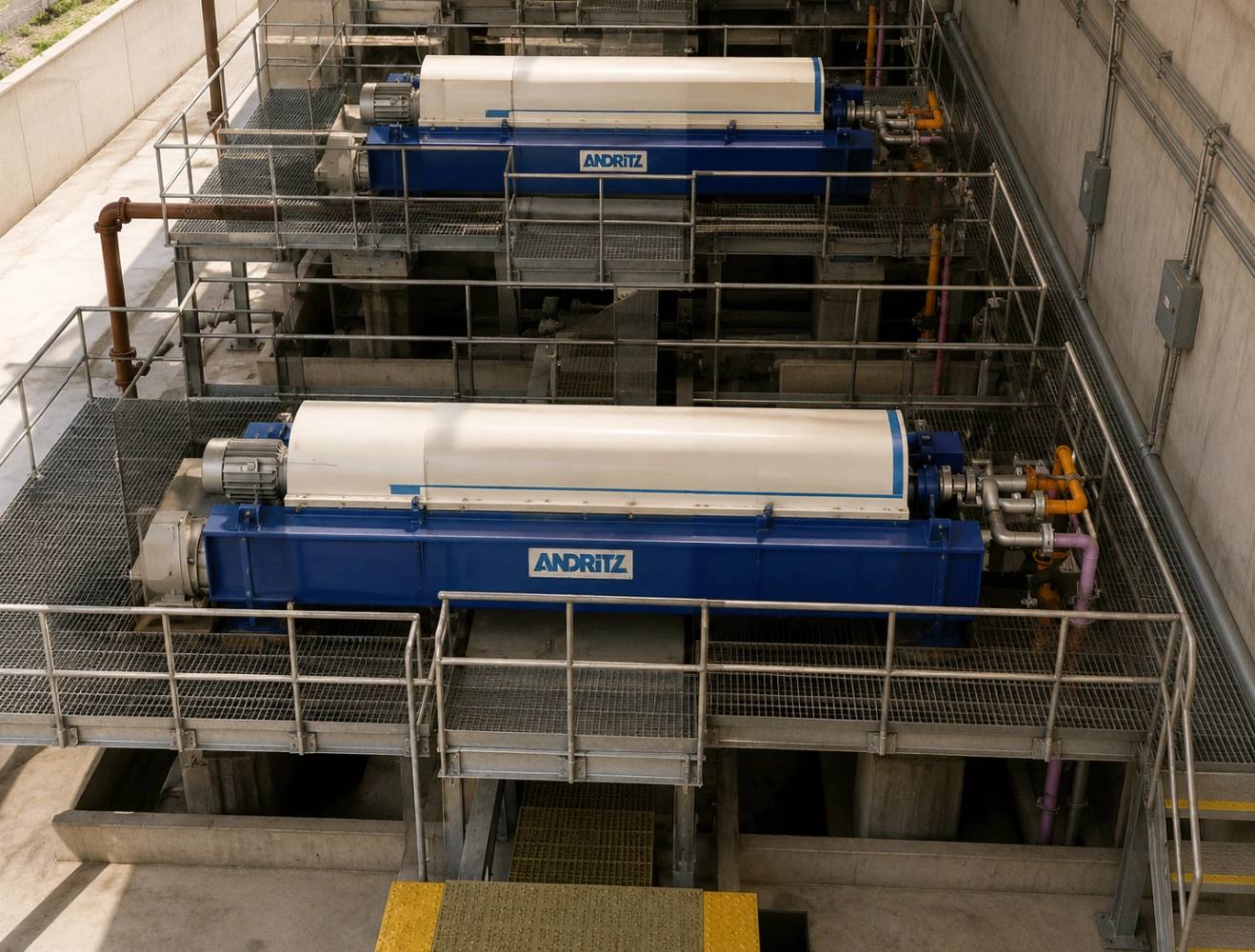
Centrifuge
Liquid sludge and conditioning polymers (to help the solids clump) enter the center of a rotating cylindrical bowl. As the bowl spins at high speeds (creating thousands of G-forces), the heavier solid particles are pushed outward against the bowl wall, while the lighter liquid (called centrate) stays in the center. An internal screw conveyor rotates at a slightly different speed than the outer bowl, scraping the compacted solids up an inclined "beach" and out of the discharge ports. The separated, clarified water is then removed through a separate outlet